
Animal Crossing: New Horizons gives players endless freedom to design their perfect island retreat, but the living room often becomes the heart of any home. It’s where creativity meets function, where visitors spawn, and where players experiment with themes, color palettes, and furniture combinations. Whether someone wants a cozy cottage aesthetic, a sleek modern vibe, or something entirely unexpected, the living room sets the tone for the entire house. With the game’s vast catalog of furniture, wallpapers, and custom designs, players can craft spaces that feel personal and polished without needing a degree in interior design.
Table of Contents
ToggleKey Takeaways
- ACNH living room ideas should start with a clear focal point like a sofa or piano, then arrange other furniture and accessories to face that anchor piece for visual balance.
- Cottage, minimalist, rustic, and luxurious styles each require different color palettes and furniture choices—pick a 3-color scheme and stick to it for design coherence.
- Layering furniture at different heights and using custom spacing tricks (like half-tile offsets) adds dimension and breaks up the grid for more polished ACNH living room layouts.
- Lighting is crucial for setting mood; combine overhead lighting, task lighting, and accent lighting from furniture pieces rather than relying solely on the main room light.
- Seasonal rotations and experimental rearrangement keep living rooms fresh without penalties, encouraging players to evolve their designs as new items become available.
Why Your Living Room Is Your Island’s Creative Centerpiece
The living room in ACNH isn’t just decorative, it’s the first room visitors see when they enter a home, making it prime real estate for showcasing style and personality. Unlike outdoor areas that require terrain management or basement spaces that feel secondary, the living room offers a manageable 8×8 grid that’s large enough for layered design but small enough to avoid overwhelming new decorators.
This room also serves as a testing ground for broader island themes. Players who want to commit to a rustic farmhouse or zen garden aesthetic often prototype their vision in the living room before expanding outdoors. The ability to rearrange furniture without penalties encourages experimentation, something that’s harder to justify when terraforming cliffs or relocating buildings.
Functionally, the living room can house interactive items like the wooden bookshelf for storage customization, the imperial dining table for hosting turnip negotiations, or the antique console table as a display surface. These pieces aren’t just props: they serve in-game purposes while contributing to the room’s visual coherence. Players can also use this space to display seasonal items, rotating decor as events change throughout the year.
Cozy Cottage Living Room Designs
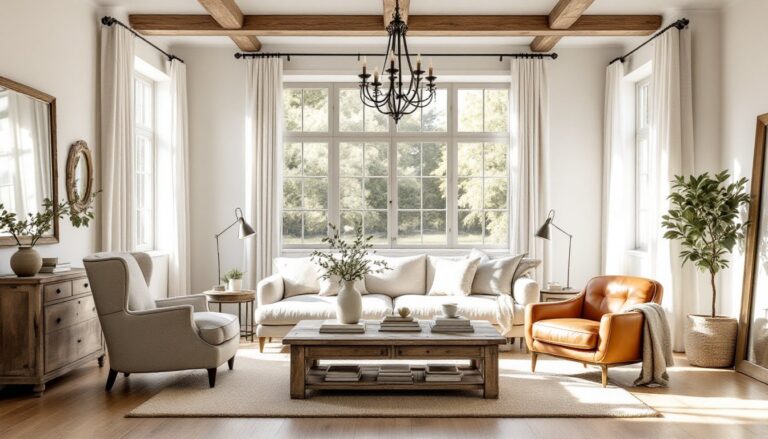
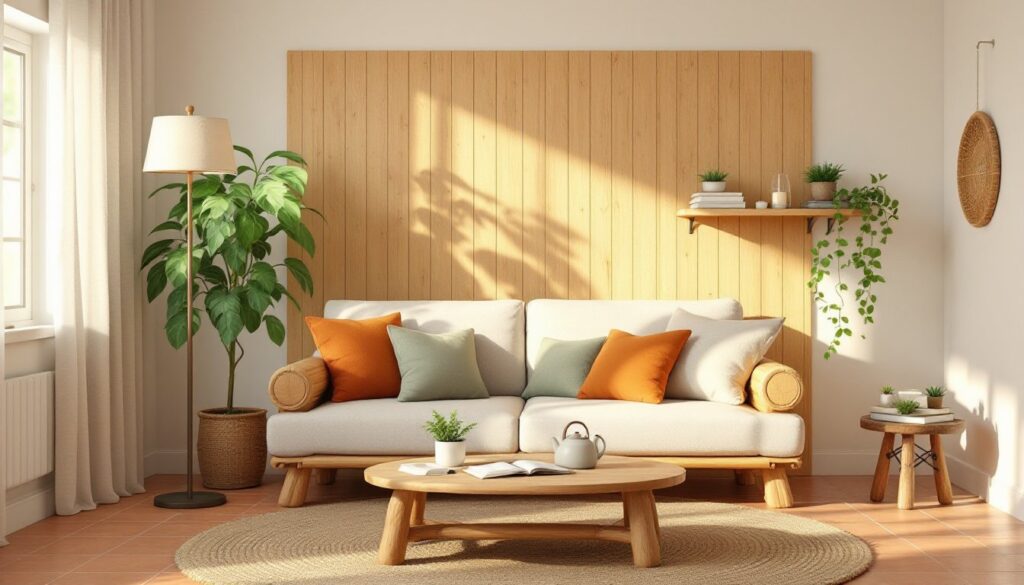
Cottage-style living rooms lean into warmth and handmade charm, drawing from items like the wooden-block furniture series, log furniture, and soft textiles. Start with a log sofa or wooden double bed (positioned as a daybed) as the anchor piece. Add cushions and throw pillows in earth tones, burnt orange, cream, and sage green work well together.
Wallpaper choices matter here. The backyard-fence wall or cabin wall provide rustic backdrops without overwhelming the space. For flooring, the dark wood-pattern flooring or terra-cotta flooring ground the room in natural textures. Layer a simple medium brown mat or botanical rug to define seating areas.
Lighting sets the mood. Place a standard floor lamp or rattan table lamp near seating to create warm pools of light. Hang a rattan pendant light or plain wooden shop sign (customized as decor) from the ceiling for visual interest. Don’t forget greenery, monstera plants, potted ivy, and hanging terrariums soften hard edges and reinforce the cottage garden feel.
Accessories complete the look. A kettle bathtub (repurposed as a planter), ironwood kitchenette (for functional charm), or scattered papers on a wooden low table add lived-in details. The goal is curated imperfection, spaces that feel collected over time, not bought in a single catalog sweep.
Modern Minimalist Living Spaces
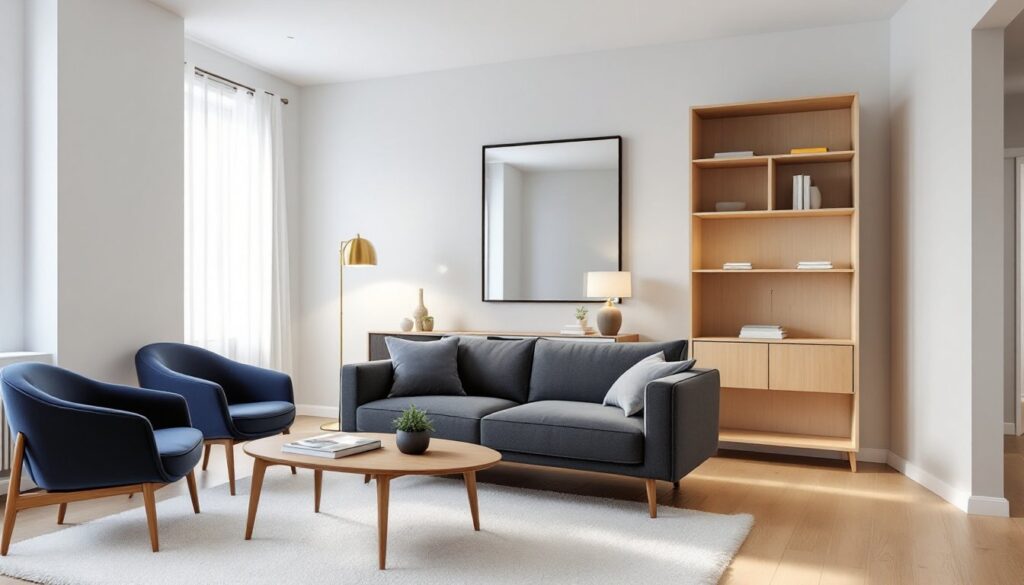
Minimalist designs in ACNH prioritize clean lines, monochrome palettes, and intentional negative space. The den desk, simple panel (customized in white or black), and box sofa series form the foundation. Choose furniture in neutral tones, white, black, gray, or natural wood finishes, and avoid busy patterns.
Start with a box sofa or box corner sofa in white or turquoise (for a subtle pop). Pair it with a low screen (customized to plain white) as a room divider or backdrop. Add a glass holder with candle or bottled ship on a marble side table for understated decor. The system kitchen works as a sleek accent piece even in non-kitchen layouts.
Walls should recede. The white hallway wall, white-paint flooring, or white-brick wall create gallery-like backdrops. For flooring, use white-brick flooring, gray vinyl flooring, or light parquet flooring. Avoid rugs unless using a single simple medium mat in charcoal or ivory.
Lighting in minimalist spaces is architectural. Install ceiling spotlights or a pendant light for overhead illumination, and add a single floor light in a corner for asymmetry. Keep accessories sparse: one fiddle-leaf fig in a minimalist planter, a standard umbrella stand (empty, as sculpture), or a floating-biotope planter on the wall. Less clutter means each piece gets visual weight, choose carefully.
Rustic and Natural-Themed Living Rooms
Rustic themes celebrate raw materials and outdoor inspiration. The log furniture series, pine furniture, and bamboo items anchor this aesthetic. Start with a log extra-long sofa or wooden low table surrounded by log stools or wooden stools. Layer in textures with the deer scare, stone lion-dog, or tall garden rock (used as indoor sculpture).
Walls like the stacked-wood wall, birch flooring, or forest wall blur the line between indoors and outdoors. For floors, choose dirt flooring, dark wood-pattern flooring, or cabin rug to reinforce earthy tones. The crop-circles flooring offers an unexpected rustic-modern hybrid.
Natural lighting mimics dappled sunlight. Use the bamboo-screen wall or tall lantern for ambient glow. Add pine bonsai trees, moss balls, or floral swags for organic shapes. The magazine rack (loaded with outdoor magazines) and vintage TV tray add functional nostalgia.
Incorporate found-object aesthetics: barrels, wooden buckets, hay beds (as seating), or stone tablets propped against walls. The raccoon figurine or beaver figurine adds whimsy without breaking theme. This style thrives on imperfection, mismatched wood tones and asymmetrical layouts feel intentional, not accidental.
Elegant and Luxurious Living Room Ideas
Luxury in ACNH comes from coordinated sets, rich materials, and symmetrical layouts. The antique furniture series, imperial furniture, and rattan sets deliver high-end looks. Start with an antique sofa or imperial dining chair (repurposed as accent seating). Add a grand piano or cello as a statement piece, musical instruments read as cultured and expensive.
Wallpapers like the palace wall, exquisite wall, or golden wall create opulent backdrops. Pair with marble flooring, fancy tile flooring, or rose rug for underfoot luxury. The cloud flooring offers an unexpected ethereal elegance.
Lighting should feel ornate. Install a chic chandelier or fancy chandelier overhead. Add candelabras, golden candles, or shell lamps on surfaces. The elaborate kimono stand or screen wall (in gold) introduces pattern without chaos.
Accessories signal wealth: gold bars (subtle flex), elaborate vase arrangements, antique clocks, or serving carts stocked with champagne bottles. Use cushions in jewel tones, emerald, sapphire, ruby, and layer simple panels customized with ornate designs as faux wainscoting. Symmetry is key, mirror furniture placement on either side of a central axis for formal balance.
Tips for Customizing Your Living Room Layout
Layout success starts with focal points. Identify the room’s anchor, usually the largest piece of furniture like a sectional sofa, piano, or fireplace. Arrange seating to face this focal point, leaving two-tile pathways for visual flow. Avoid pushing all furniture against walls: floating a sofa or table creates depth.
Layering adds dimension. Place tall items (bookcases, plants, screens) at the back, medium items (sofas, tables) in the middle, and small items (candles, books, decorative objects) in front. Use the half-tile offset trick, rotating items 90 degrees and nudging them into corners or beside other furniture, to break the grid and achieve custom spacing.
Color coordination ties disparate pieces together. Choose a three-color palette (one dominant, one secondary, one accent) and stick to it across furniture, walls, and flooring. Use the customization kits to recolor items like the simple panel, wooden bookshelf, or cushions to match your scheme.
Lighting layers prevent flatness. Combine overhead lighting (chandeliers, spotlights), task lighting (table lamps, floor lamps), and accent lighting (candles, string lights) at different heights. Turn off the main room light and rely on furniture-based light sources for moodier ambiance.
Seasonal rotations keep rooms fresh. Swap maple-leaf rugs in fall for iceberg flooring in winter. Replace mom’s plushies with festive decorations during holidays. Store off-season items in house storage rather than deleting them, themes cycle faster than players expect.
Conclusion
Living rooms in Animal Crossing: New Horizons reward experimentation and personal expression more than rigid rules. Whether someone gravitates toward the snug charm of cottage florals, the discipline of minimalist geometry, or the drama of gilded antiques, the 8×8 grid offers enough space to build something memorable. The best designs balance theme coherence with functional layout, layer textures and heights, and evolve as players discover new furniture or shift creative direction. Start with a focal point, choose a palette, and don’t be afraid to rearrange until it feels right.