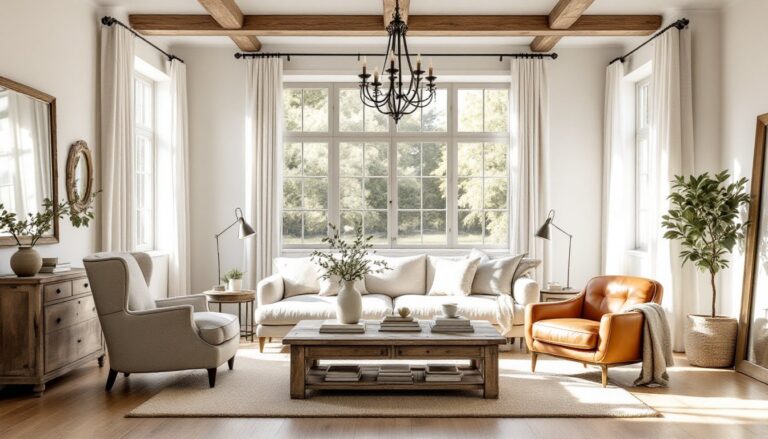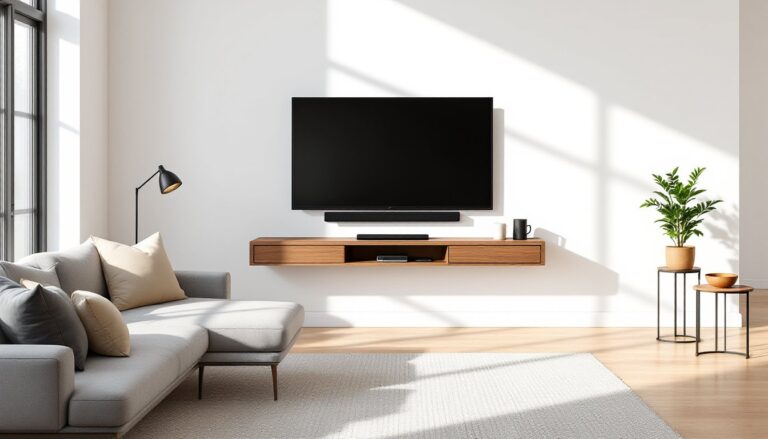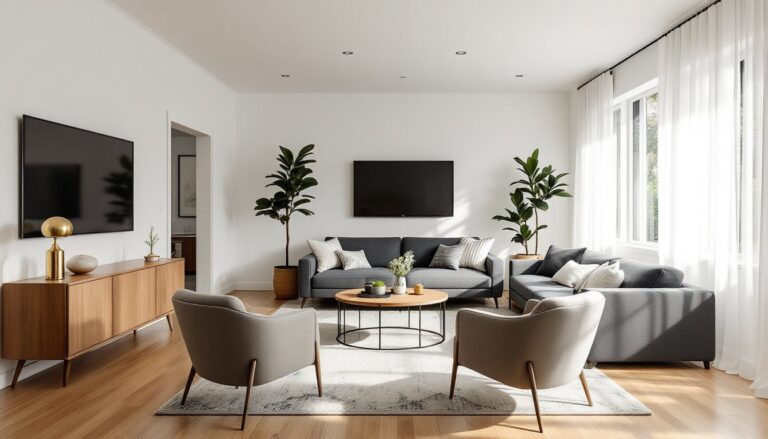

Adding a bar to the living room isn’t just about stashing bottles and glassware, it’s about creating a functional gathering point that elevates everyday living and makes hosting effortless. Whether the goal is a compact corner setup or a full statement piece, a well-designed living room bar blends storage, style, and conversation into one dedicated zone. With the right approach, even a modest footprint can deliver serious impact. This guide covers space-conscious solutions, show-stopping designs, must-have features, and styling tips to help anyone build a bar that works for their space and lifestyle.
Table of Contents
ToggleKey Takeaways
- A living room bar creates a functional gathering point that streamlines entertaining by consolidating drink prep and serving in one accessible location.
- Space-saving bar ideas for living rooms include wall-mounted floating shelves, fold-down panels, console tables, and corner cabinets that fit tight layouts without overwhelming the room.
- Statement bar designs like built-in cabinets with LED lighting, wet bars with sinks, and credenza-style pieces add significant resale value and define social zones in open-concept homes.
- Bar carts offer maximum flexibility and mobility, working best with two to three tiers, locking casters, and 24- to 30-inch-wide surfaces that accommodate 30+ pounds of bottles and glassware.
- Essential bar features include proper glassware storage, temperature-controlled beverage coolers, warm LED lighting (2700–3000K), and moisture-resistant countertops like quartz or sealed butcher block.
- Styling your bar to match your living room aesthetic—whether modern, farmhouse, mid-century, industrial, or traditional—requires editing ruthlessly to display only functional or genuinely decorative items.
Why Add a Bar to Your Living Room?
A living room bar consolidates drink prep and serving into one accessible spot, eliminating trips to the kitchen during gatherings. It also provides dedicated storage for bottles, glassware, and tools that might otherwise clutter cabinets or countertops.
Beyond function, a bar acts as a focal point, an intentional design element that signals the room’s purpose as a social space. It can define zones in open-concept layouts, separating lounging areas from entertaining areas without walls.
For those who entertain regularly, a bar streamlines service. Guests can help themselves, and hosts stay in the room instead of bouncing between spaces. Even for casual use, having a bar means coffee stations, cocktail mixing, or wine service happens in the same space where people relax.
Finally, a bar adds resale appeal. Buyers often view dedicated entertaining features as value-adds, especially in homes with open floor plans or finished basements that flow into main living areas.
Space-Saving Bar Solutions for Small Living Rooms
Wall-mounted floating shelves offer the leanest footprint. Install two or three staggered shelves at 42 to 48 inches off the floor, high enough to clear furniture but low enough for easy access. Use ¾-inch plywood or solid wood with heavy-duty brackets rated for at least 50 pounds per shelf. Store bottles upright, hang stemware from undermount racks, and keep bar tools in small caddies.
A fold-down wall bar works in tight spaces where permanent furniture won’t fit. Mount a hinged panel (similar to a Murphy desk) that drops to create a work surface and folds flush when not in use. Pair it with interior storage or pegboard backing for tools and small bottles. This requires locating wall studs and using 3-inch screws into framing, not just drywall anchors.
Console tables repurposed as bars fit neatly behind sofas or along narrow walls. Look for models 12 to 16 inches deep and 48 to 60 inches wide. Add a tray on top for bottles, use lower shelves for glassware, and tuck a small wine fridge underneath if there’s clearance. This approach keeps the bar from visually dominating the room.
For renters or commitment-phobes, a narrow bookshelf, one that’s 10 to 12 inches deep, can hold bottles on upper shelves and glasses or bar accessories below. Choose metal or wood that complements existing furniture, and avoid particle board, which sags under bottle weight.
Corner bars exploit dead space. A triangular floating shelf or small corner cabinet utilizes areas that rarely get furniture. Custom-cut a ¾-inch hardwood plywood triangle, finish edges with iron-on veneer, and mount with L-brackets into corner studs. This setup works well in rooms with alcoves or bay windows.
Statement Bar Designs That Steal the Show
Built-In and Custom Bar Cabinets
A built-in bar cabinet integrates into wall recesses, alcoves, or between windows, making it feel original to the home. Frame the opening with 2×4 studs on 16-inch centers, then add shelving, a countertop (butcher block, quartz, or granite), and cabinet doors below. Wire in LED strip lighting under upper shelves, use 12V low-voltage strips with a plug-in transformer to avoid electrical permits in most jurisdictions, though codes vary.
For a true custom look, install glass-front upper cabinets to display glassware and bottles, with closed lower cabinets for mixers and accessories. Add a small sink if plumbing access allows (this requires P-trap venting and often a permit). A bar sink typically measures 15 to 18 inches wide and 12 inches deep, much smaller than kitchen sinks.
Wet bars (those with running water) add significant value but involve plumbing and electrical work. Expect to hire a licensed plumber for drain lines and a electrician if adding a dishwasher or wine cooler with dedicated circuits. Check local codes: some areas require GFCI outlets within six feet of any water source.
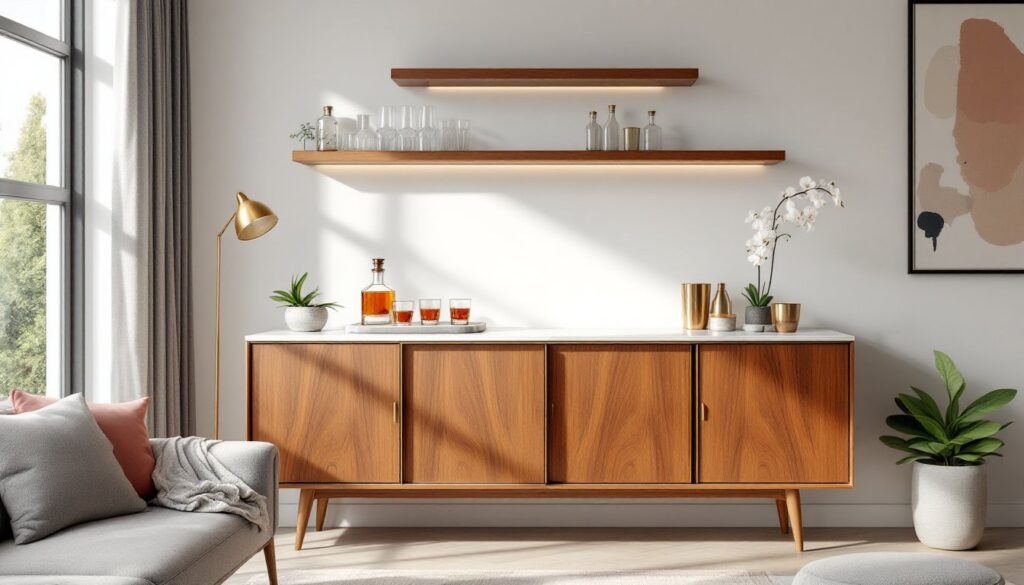
Mid-century modern fans can build or buy a credenza-style bar cabinet, low-profile, wood-toned, with sliding doors or tambour fronts. These typically sit 30 to 36 inches high, functioning as both storage and a serving surface. Top them with marble or walnut for contrast.
Vintage Bar Carts and Mobile Options
Bar carts deliver maximum flexibility. Vintage brass or chrome carts from the 1960s–80s bring character and mobility, they roll to the sofa for movie night or near the door for greeting guests. Look for carts with two or three tiers, locking casters, and a top surface that’s 24 to 30 inches wide. Avoid carts with wobbly joints: check that shelves are level and welds are intact.
Modern carts in powder-coated steel or acacia wood work in contemporary spaces. Choose models with a removable top tray for easy serving and a lower rack for wine bottle storage. If the cart will hold more than 30 pounds of bottles and glassware, verify the casters are rated appropriately, cheap casters crack tile or mar hardwood.
Repurposed furniture, like a refinished bar cart made from an old tea trolley or typewriter stand, adds one-of-a-kind appeal. Strip old finishes with citrus-based stripper (wear nitrile gloves and work in ventilated areas), sand to 220 grit, then finish with polyurethane or tung oil. Swap out vintage wheels for modern locking casters if originals are worn.
For drama, style a cart with mirrored trays, a cocktail shaker set, fresh flowers, and a small ice bucket. Keep bottles to three or four, overcrowding kills the look.
Essential Features and Accessories for Your Living Room Bar
Start with glassware storage. At minimum, include rocks glasses, highball glasses, and wine glasses. Hanging racks save shelf space, install undermount stemware holders that screw into the underside of shelves or cabinets. For standing storage, use divided shelf inserts or small crates that prevent glass-on-glass contact.
A small wine fridge or beverage cooler keeps drinks at proper temperature without kitchen trips. Compact models fit in 15 to 18-inch openings and hold 12 to 24 bottles. These plug into standard 120V outlets: ensure adequate ventilation (most need 2 inches of clearance on sides and back). Freestanding units work for bar carts or open shelving.
Lighting transforms a bar from storage to feature. Battery-powered puck lights install without wiring, but plug-in LED strips offer better longevity. Run strips along the underside of floating shelves or inside glass cabinets. Choose warm white (2700–3000K) for a welcoming glow, not harsh task lighting.
For functionality, add a cutting board or small prep surface, a bottle opener (wall-mounted or magnetic), and a cocktail tool set (jigger, strainer, bar spoon, muddler). Store these in a drawer insert or small caddy to prevent clutter.
If the bar includes a countertop, use materials that handle moisture and stains. Butcher block (sealed with food-safe mineral oil) works for low-traffic setups, while quartz or solid surface handles spills without sealing. Avoid unsealed wood or laminate near wet bar areas, they warp and stain.
Consider a small trash or recycling bin tucked into lower cabinetry. A pull-out bin rated for 10 to 15 quarts keeps bottle caps and lime wedges out of sight.
Styling Your Bar to Match Your Living Room Aesthetic
In modern or minimalist spaces, keep lines clean and materials uniform. Choose bars in matte black metal, white lacquer, or light oak, and limit visible bottles to three or four in matching glass decanters. Use geometric trays and avoid visual clutter, every item should serve a purpose.
Farmhouse or rustic styles call for reclaimed wood, open shelving, and vintage accents. A bar made from barn wood planks or a repurposed ladder shelf fits the aesthetic. Display mason jars for stirrers, galvanized metal for ice, and chalkboard signs for drink menus. Pair with wrought iron brackets and oil-rubbed bronze hardware.
For mid-century or retro looks, lean into teak, walnut, or brass. A low credenza bar with tapered legs and brass pulls nails the vibe. Add a vintage ice bucket, a cocktail shaker in copper or gold, and a small potted plant. Keep colors muted, mustard, olive, or burnt orange in small doses.
Industrial bars incorporate black steel pipe, concrete or metal countertops, and Edison bulb lighting. Build a bar using ¾-inch black iron pipe fittings for legs and frame, topped with a concrete overlay or butcher block stained dark. Leave hardware exposed and add metal stools or wire baskets for accessories.
In traditional or transitional rooms, go for wood cabinetry, marble or granite tops, and classic hardware in brushed nickel or oil-rubbed bronze. Built-ins with crown molding and raised-panel doors blend seamlessly with existing millwork. Style with crystal decanters, silver trays, and understated floral arrangements.
Regardless of style, edit ruthlessly. A well-styled bar shows only what’s actively used or genuinely decorative. Rotate seasonal items, autumn brings copper mugs, summer calls for bright citrus and light glassware. Keep counters clear enough to actually make a drink without moving half the setup.