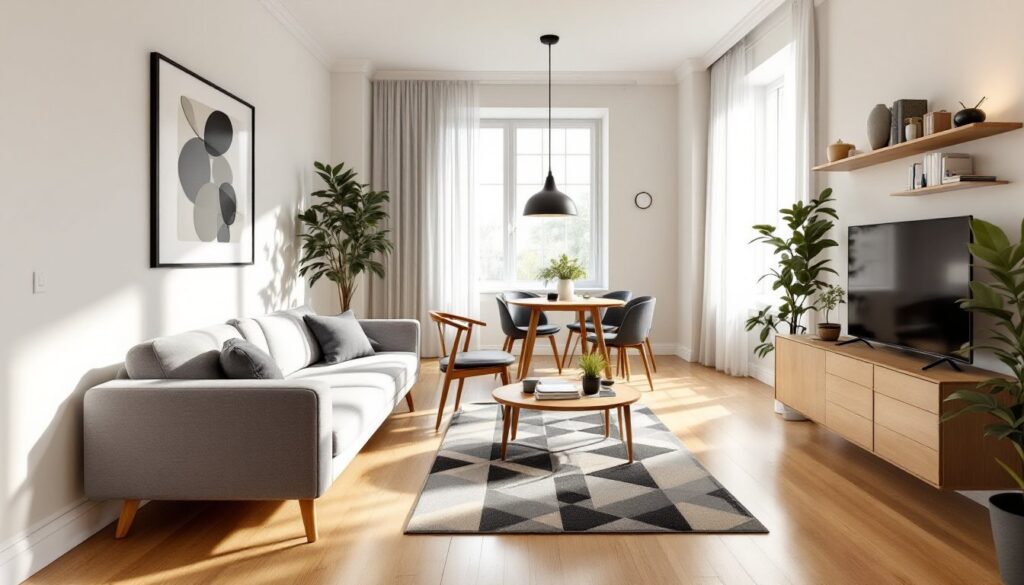

Combining a living room and dining area into one functional space is standard in most modern apartments, but making it work without feeling cramped or chaotic requires intentional planning. The challenge isn’t just fitting furniture into a small footprint, it’s creating distinct zones that serve different purposes while maintaining flow and visual coherence. With the right furniture choices, smart color strategies, and vertical storage solutions, even a tight combo space can feel open, organized, and genuinely livable. These 15 practical ideas focus on real-world tactics that maximize square footage without requiring a gut renovation or hefty budget.
Table of Contents
ToggleKey Takeaways
- Define distinct living and dining zones using strategic furniture placement like floating sofas, complementary rugs, and open-back shelving to create visual separation without walls.
- Invest in multi-functional furniture such as extendable dining tables, storage ottomans, and sleeper sofas to maximize usable space and reduce clutter in your apartment living dining room combo.
- Use accent walls, color blocking, and layered lighting with dimmer switches to delineate zones and create ambiance that adapts to different activities throughout the day.
- Maximize vertical storage with floating shelves, floor-to-ceiling bookcases, and wall-mounted systems to keep everyday items accessible while preserving valuable floor space.
- Choose appropriately scaled furniture with exposed legs and maintain a cohesive color palette to make your small combo space feel open, organized, and visually cohesive.
Define Your Zones With Strategic Furniture Placement
Furniture layout creates boundaries without the need for walls or dividers. The key is positioning larger pieces, sofas, dining tables, and shelving units, so they anchor each zone while allowing clear pathways between them.
Sofa as a divider: Floating the sofa a few feet from the wall, with its back facing the dining area, instantly creates two distinct spaces. This works best in rectangular rooms where the long axis can accommodate both zones end-to-end. Leave at least 30 inches of clearance behind the sofa for walkability, 36 inches is better if space allows.
Rugs for definition: Layering area rugs under each functional zone reinforces the separation visually. A 5×7 or 6×9 rug under the dining table (large enough that chairs remain on the rug when pulled out) and another under the coffee table or sectional gives each area its own footprint. Choose rugs with complementary colors or patterns to maintain cohesion.
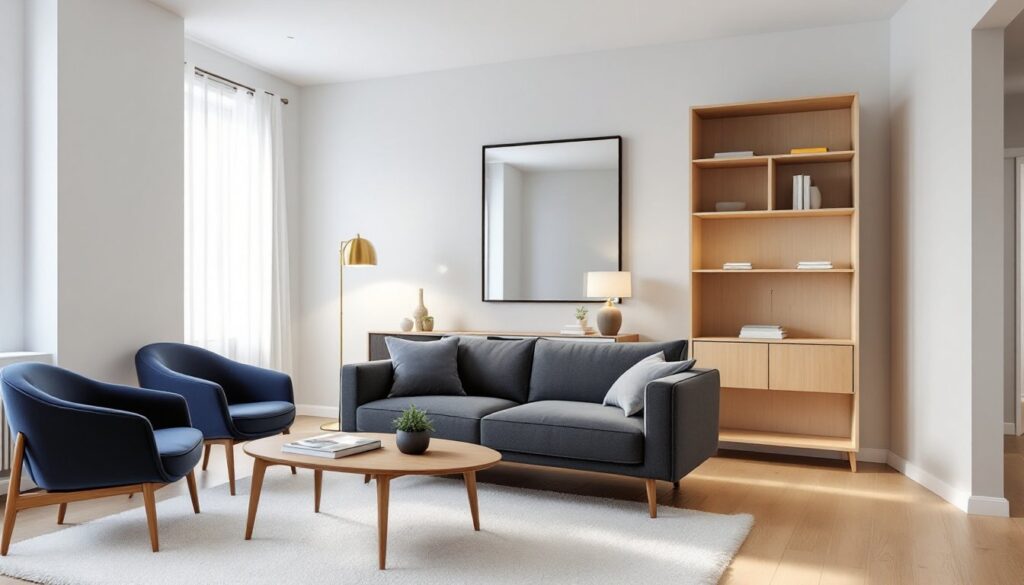
Bookcases and consoles: A low bookcase or console table placed perpendicular to the wall can act as a subtle room divider. Opt for open-back shelving so light passes through, solid-back units can make tight spaces feel boxed in. Standard console depth is 12 to 18 inches, which won’t eat up much floor area but provides valuable surface and storage.
Choose Multi-Functional Furniture That Works Overtime
In a combo space, every piece should earn its spot by serving more than one purpose. Multi-functional furniture reduces clutter and frees up square footage for movement and breathing room.
Extendable dining tables: A drop-leaf or butterfly-leaf table can shrink down to 36 to 48 inches for everyday use and expand to seat six or more when hosting. This flexibility is crucial when dining space doubles as a work-from-home desk or craft station. Look for tables with locking mechanisms that hold leaves securely, wobbly extensions are a dealbreaker.
Storage ottomans and benches: Ottomans with lift-top storage can hold throws, board games, or seasonal items while serving as extra seating or a footrest. Dining benches with built-in storage underneath do the same, fitting neatly under the table when not in use. Aim for 18-inch seat height to match standard dining chair height.
Nesting tables and stackable stools: Nesting side tables tuck away when not needed and pull out for drinks or laptops. Stackable stools or folding chairs stored in a closet provide guest seating without taking up permanent real estate. Keep a set of four lightweight stools on hand, they’re easier to move than bulky dining chairs.
Sofa beds and sleeper sectionals: If overnight guests are common, a quality sleeper sofa with a memory foam or innerspring mattress turns the living zone into a guest room. Modern mechanisms are far easier to operate than old-school pull-outs, test the fold-out action in-store before buying.
Use Color and Lighting to Create Visual Separation
Color and light can delineate zones as effectively as physical barriers, and they’re easier to adjust when needs change.
Paint Techniques That Distinguish Each Area
Accent walls: Painting the wall behind the dining table in a contrasting color, say, a deep charcoal or warm terracotta, sets that zone apart while keeping the living area neutral. Use low-VOC interior latex paint for easier cleanup and lower odor in close quarters. A gallon typically covers 350 to 400 square feet with one coat, so one gallon is usually enough for a single accent wall in a small apartment.
Half-wall treatments: Painting the lower half of walls (wainscoting height, around 32 to 36 inches) in a darker hue and the upper half in white or cream adds dimension without shrinking the room. This horizontal divide can run through both zones to unify the space while creating visual interest.
Color blocking with trim: Using different trim colors (baseboards, crown molding, door casings) in each zone is subtle but effective. Keep the palette tight, two or three colors max, to avoid a chaotic feel.
Layer Your Lighting for Flexibility and Ambiance
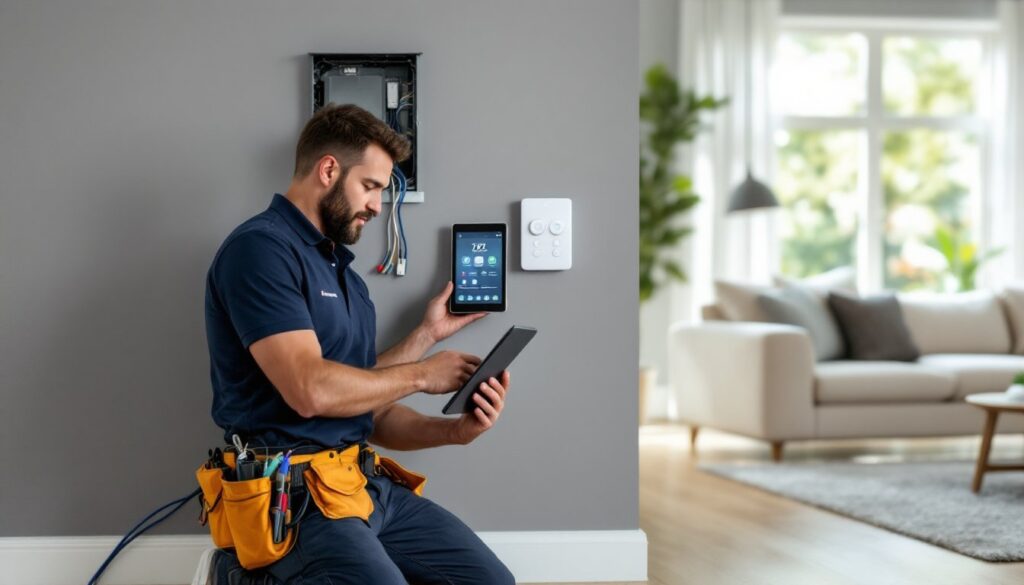
Overhead vs. task lighting: A single ceiling fixture rarely provides adequate or adaptable light. Combine an overhead pendant or flush-mount in the dining zone with floor lamps, table lamps, and wall sconces in the living area. Dimmer switches (standard single-pole dimmers are DIY-friendly if the wiring is already in place) let residents dial down brightness for movie nights or crank it up for dinner parties.
Pendant height over dining tables: Hang pendant lights 30 to 36 inches above the table surface. Too high, and they lose impact: too low, and they obstruct sightlines. For renters who can’t hardwire, plug-in swag pendants with ceiling hooks are a solid alternative.
Track and rail lighting: Adjustable track lighting mounted on the ceiling can spotlight both zones independently. Aim heads toward the dining table and living seating to provide focused light where it’s needed, not just general wash.
LED strips and under-cabinet lighting: Adhesive LED strip lights under shelving or along the back of a console add ambient glow and emphasize zone boundaries. Choose warm white (2700K to 3000K) for living spaces, cool white feels clinical.
Maximize Vertical Space With Smart Storage Solutions
When floor space is limited, the walls and ceiling become prime real estate. Vertical storage keeps everyday items accessible without crowding the footprint.
Floating shelves: Install 8 to 12-inch-deep floating shelves above the sofa or dining buffet area for books, dishware, or decor. Use a stud finder to locate wall studs (typically 16 inches on center) and mount shelves with heavy-duty brackets rated for the expected load, 50 pounds or more per bracket for holding dishes or hardcover books. Toggle bolts work for drywall-only mounting but have lower weight limits.
Floor-to-ceiling bookcases: Tall, narrow bookcases (around 12 to 18 inches deep) draw the eye upward and provide generous storage without hogging floor area. Anchor units to the wall with furniture straps or L-brackets to prevent tipping, especially in earthquake-prone regions or homes with kids and pets.
Wall-mounted drop-leaf tables: A hinged table that folds flat against the wall when not in use can serve as a dining surface, desk, or bar. Mount it at standard table height (28 to 30 inches) and ensure the supporting brackets are rated for the table’s span and anticipated load.
Pegboard and rail systems: Kitchen-style rail systems with S-hooks or pegboard panels can organize utensils, mugs, or even small planters, freeing up cabinet and counter space. They’re especially useful in galley-style combo layouts where wall area is more plentiful than floor area.
Overhead pot racks (if applicable): For open kitchens that bleed into the living/dining combo, a ceiling-mounted pot rack keeps cookware accessible and clears out lower cabinets. Ensure ceiling joists can support the weight, mount to joists or use heavy-duty toggle anchors rated for at least 100 pounds.
Select the Right Scale and Style for Cohesive Design
Furniture that’s too large overwhelms a small combo space, while pieces that are too dainty look lost and don’t provide adequate function. Scale and proportion matter as much as layout.
Sofa sizing: A standard three-seat sofa runs 84 to 96 inches long, which can dominate a small apartment. Consider a loveseat (58 to 64 inches) or apartment-scale sofa (72 to 78 inches) instead. Measure the room and leave at least 30 inches of walking space around all sides of major furniture.
Dining table dimensions: For a family of two to four, a 36-inch round table or 48×30-inch rectangular table seats everyone comfortably without monopolizing the room. Round tables save space in tight quarters because there are no sharp corners to navigate. If the room is narrow, a rectangular table pushed against the wall with seating on three sides maximizes efficiency.
Leggy furniture for visual lightness: Sofas, chairs, and tables with exposed legs create a sense of openness because floor space remains visible underneath. Skirted or solid-base furniture feels heavier and can make a small room look cluttered. Choose pieces with legs at least 4 to 6 inches high.
Unified color palette: Stick to a cohesive palette across both zones, neutral bases (grays, beiges, whites) with one or two accent colors (navy, sage, rust) used sparingly. Too many competing hues fragment the space visually. Wood tones should also coordinate: if the dining chairs are walnut, the coffee table and shelving should lean warm rather than mixing in cool-toned ash or gray-washed oak.
Avoid clutter and over-decoration: Every decorative object should serve a purpose or bring genuine joy. Crowded shelves, excessive throw pillows, and tchotchkes scattered on every surface make a small space feel chaotic. Aim for negative space, empty wall sections and clear surfaces help the eye rest and make the room feel larger.