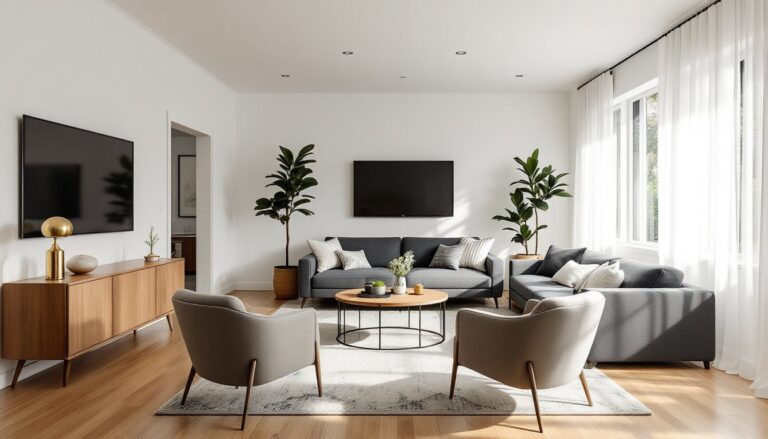

Choosing the right TV stand changes more than just where the screen sits, it defines the entire feel of a living room. A well-selected stand anchors the space, manages cable clutter, stores media gear, and complements existing furniture. In 2026, homeowners have more options than ever, from sleek floating consoles to heavy-duty entertainment centers that handle everything from gaming consoles to vinyl collections. This guide walks through practical TV stand ideas for different styles, room layouts, and storage needs, with real-world considerations for installation, materials, and functionality.
Table of Contents
ToggleKey Takeaways
- Choose a TV stand style—floating, rustic, corner, industrial, or entertainment center—based on your room layout, storage needs, and aesthetic preference to define your living room’s overall feel.
- Structural support is non-negotiable for TV stands; floating designs require wall stud anchors and heavy-duty bolts for over 100 pounds of equipment, while large entertainment centers must be anchored to prevent tipping hazards.
- Prioritize ventilation in multi-functional TV stands with adjustable shelving and perforated backs to prevent electronics from overheating and ensure long-term device reliability.
- Plan cable management early by using in-wall conduit, adhesive cable raceways, or zip ties to hide cords; unsightly dangling cables are a common complaint with most living room TV stand designs.
- For budget-conscious DIYers, rustic farmhouse and industrial stands cost $75–$200 in materials and use straightforward construction methods, while modular entertainment centers offer flexibility without requiring full professional installation.
- Measure corners and walls carefully before installation, accounting for baseboards, outlets, and obstacles; corner TV stands and floating consoles especially require precise planning to avoid fitting issues.
Minimalist Floating TV Stands for a Clean, Modern Look
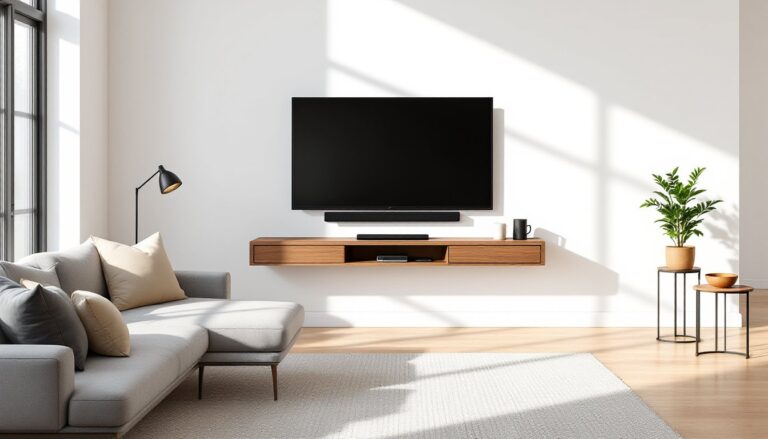
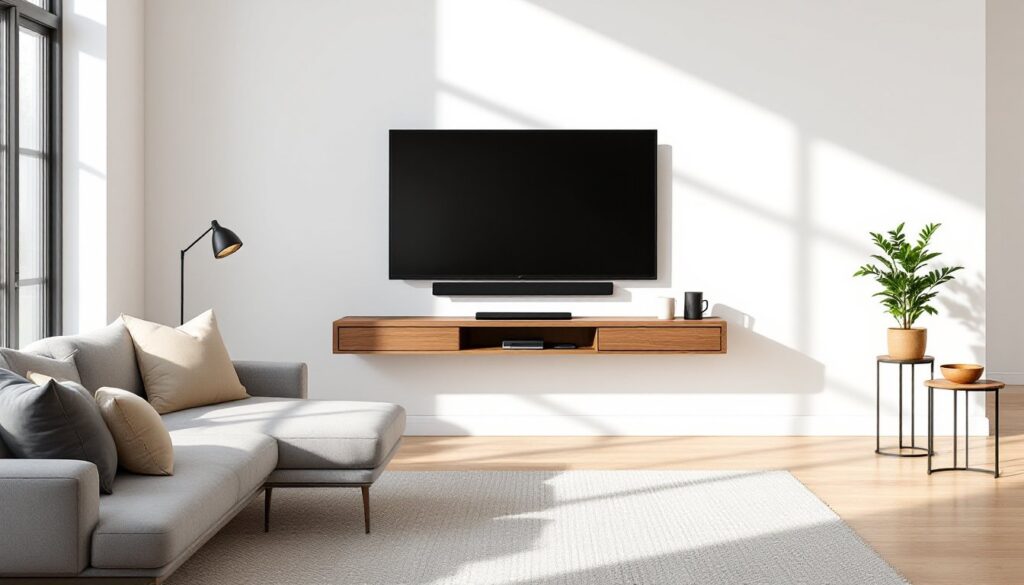
Floating TV stands mount directly to the wall, leaving the floor clear and creating a streamlined, contemporary appearance. They work especially well in smaller living rooms where every square foot counts, and they eliminate the visual weight of traditional furniture legs.
Most floating stands are built from MDF, plywood, or solid wood with a veneer finish. Installation requires locating wall studs (typically spaced 16 inches on center) and using heavy-duty wall anchors or lag bolts rated for the combined weight of the stand, TV, and any components. A 55-inch TV with a soundbar and receiver can easily exceed 100 pounds, so structural support is non-negotiable.
Many models include cable management cutouts or rear channels that hide HDMI cables, power cords, and ethernet lines. Without proper routing, cables dangle visibly, one of the main complaints about floating designs. Running cables through in-wall conduit (following NEC Article 800 for low-voltage wiring) gives the cleanest result, though it requires cutting into drywall and patching.
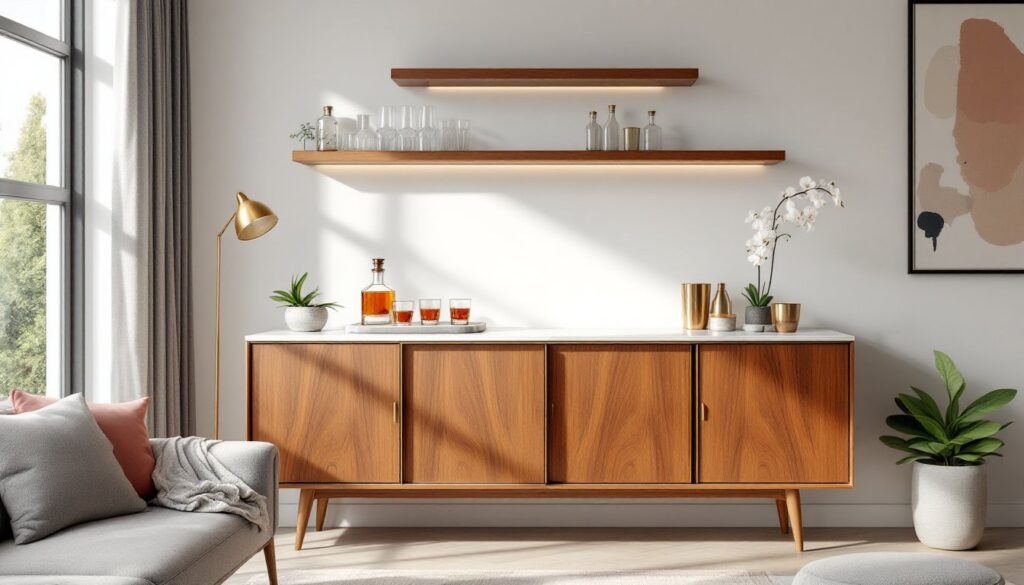
Floating stands don’t offer much storage, so they pair best with wall-mounted shelving or a separate media cabinet. They’re a cosmetic upgrade, not a full organization solution. For renters or anyone hesitant to drill into studs, a floor-standing minimalist console with thin legs can mimic the look without permanent wall modification.
Rustic and Farmhouse TV Stand Designs
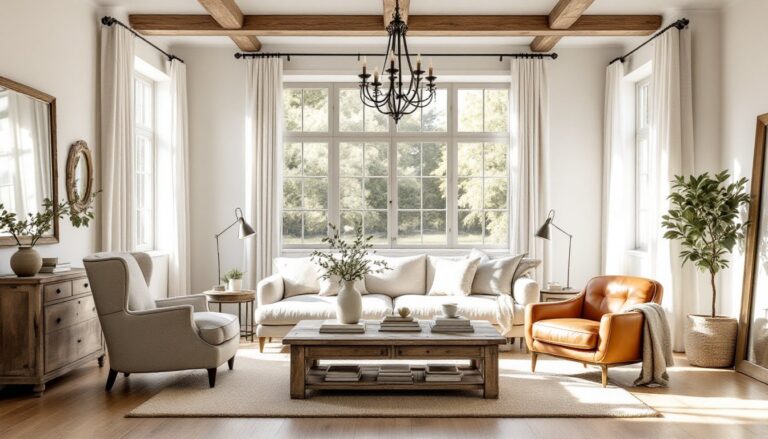
Rustic and farmhouse TV stands lean into natural wood grain, distressed finishes, and traditional joinery. Common materials include reclaimed pine, oak, and barn wood, often paired with wrought iron handles or X-braced side panels. These stands bring warmth to a living room and work well in homes with exposed beams, shiplap, or neutral color palettes.
Many rustic designs feature open shelving for consoles, receivers, and decorative baskets, plus closed cabinets with sliding barn doors or paneled fronts. Barn door hardware is popular but requires clearance, each door needs at least 18 inches of slide space to fully open, which can limit placement near walls or corners.
When shopping for or building a rustic stand, check the wood type and finish. Softwoods like pine dent easily under heavy equipment, so look for stands with a polyurethane or lacquer topcoat for durability. Unfinished or wax-only finishes show water rings and scratches quickly.
DIYers often build farmhouse stands from 2×4 framing with a plywood top and stained or painted finish. Plans are widely available, and construction is straightforward with a miter saw, drill, and pocket hole jig. Material cost typically runs $75–$150 depending on wood choice and hardware, significantly less than retail farmhouse furniture. Just allow time for wood to acclimate indoors for 48–72 hours before cutting to avoid warping.
Multi-Functional TV Stands With Built-In Storage
Multi-functional TV stands combine media display with serious storage, drawers for remotes and chargers, shelves for gaming consoles, and cubbies for books or vinyl. These stands replace multiple pieces of furniture and help manage the tangle of devices that comes with modern home entertainment.
Look for stands with adjustable shelving to accommodate different component heights. A standard AV receiver is about 6–7 inches tall, while a cable box or streaming device might only need 2–3 inches. Fixed shelves waste vertical space and limit future upgrades.
Ventilation is critical. Electronics generate heat, and enclosed cabinets without rear venting or cutouts can cause overheating and shorten device lifespan. Better designs include perforated backs, open rear panels, or built-in fans. If buying a stand with solid backs, drilling a few 1-inch holes improves airflow.
Drawers should have soft-close hinges or ball-bearing slides rated for at least 75 pounds. Cheap drawer slides bind or fail under weight, especially if loaded with DVDs or gaming accessories. Test drawers in-store or check product specs for slide quality.
Assembly varies widely. Flat-pack furniture can take 2–4 hours and often requires two people, especially when aligning large panels or lifting the assembled unit into place. Keep a power drill with Phillips and flathead bits handy, hand-screwing dozens of cam locks is tedious and increases the chance of stripped threads.
Corner TV Stands That Maximize Space Efficiency
Corner TV stands turn unused corner space into a functional media zone, ideal for small living rooms, bedrooms, or bonus rooms. They free up wall space for windows, artwork, or additional furniture while keeping the TV viewable from multiple seating areas.
Most corner stands have a triangular or wedge-shaped footprint, with the front face angled to orient the TV toward the center of the room. Depths typically range from 18 to 24 inches, and widths span the two adjoining walls. Measure the corner carefully, base molding, heating vents, or outlets can interfere with fit.
Swivel mounts are a common feature, allowing the TV to rotate 15–30 degrees left or right for better viewing angles. Verify the swivel mechanism is smooth and lockable: low-quality swivels drift or require constant adjustment.
Storage in corner stands is often limited by the geometry. Shelves taper toward the back, so wider components may not fit. Check interior dimensions, not just the exterior footprint. Some designs include a lower cabinet or side shelves that extend along the walls for additional capacity.
Corner placement can complicate cable routing. Outlets are rarely located in corners, so plan for extension cords or consider having an electrician install a corner outlet (cost typically $150–$250 depending on local rates and access). Running cables along baseboards with adhesive cable raceways is a cleaner alternative to loose cords crossing open floor.
Industrial Style TV Stands With Metal and Wood Accents
Industrial TV stands pair raw or finished wood with metal frames, exposed hardware, and utilitarian design. Common materials include steel tubing, black iron pipe, reclaimed wood, and concrete. The aesthetic fits lofts, modern spaces, and rooms with exposed ductwork or brick.
Metal frames are typically powder-coated steel or wrought iron. Powder coating resists scratches and rust better than paint, especially in humid climates. Stands with welded joints are more stable than bolted frames, which can loosen over time and require periodic tightening.
Wood tops are often butcher block, live-edge slabs, or plywood with a stained finish. Live-edge designs look striking but can be uneven, making it harder to level the TV. Check that the surface is flat or plan to use adjustable furniture levelers on the stand legs.
Industrial stands frequently use open shelving with minimal or no backing, so cable management takes extra effort. Zip ties, velcro straps, or cable sleeves keep cords grouped and out of sight. Without active management, the open design exposes every wire.
Weight capacity is generally high, metal frames easily support 200+ pounds, but confirm shelf ratings if stacking heavy equipment. DIY builds using black pipe fittings and dimensional lumber are popular and cost-effective, typically $100–$200 in materials. Cutting and threading pipe requires a pipe cutter and die set, or most hardware stores will cut and thread to length for a small fee.
Entertainment Centers for Full Media Organization
Entertainment centers are large, multi-component systems that house the TV and provide extensive storage for media, books, décor, and electronics. They often span an entire wall and include a mix of open shelves, closed cabinets, glass doors, and display niches.
Modern entertainment centers come in modular or built-in formats. Modular units consist of separate pieces, side towers, a central console, and overhead cabinets, that can be arranged and expanded as needed. Built-in units are custom-designed and permanently installed, often with crown molding, lighting, and integrated wiring.
Installation of large entertainment centers typically requires anchoring to wall studs to prevent tipping, especially in homes with children or pets. The ASTM F2057 standard addresses furniture stability, and many manufacturers now include anti-tip brackets with installation hardware. Skipping this step is a serious safety risk.
Lighting is a common feature, LED strip lights or puck lights installed in shelving or behind the TV add ambiance and reduce eye strain. Most run on low-voltage DC power and can be controlled via remote or smart home integration. Ensure the entertainment center has wire access holes or a plan for routing power to lights and devices.
Built-in entertainment centers often require professional carpentry and electrical work, with costs ranging from $2,000 to $10,000+ depending on size, materials, and finishes. Modular units are more budget-friendly and DIY-friendly, though assembly can still take a full day.
Conclusion
Selecting a TV stand comes down to balancing style, space, and function. Floating stands deliver modern simplicity, rustic designs add character, and full entertainment centers handle complex setups. Measure the room, account for ventilation and cable routing, and don’t skip structural anchoring. The right stand turns a collection of devices into a cohesive, functional space.