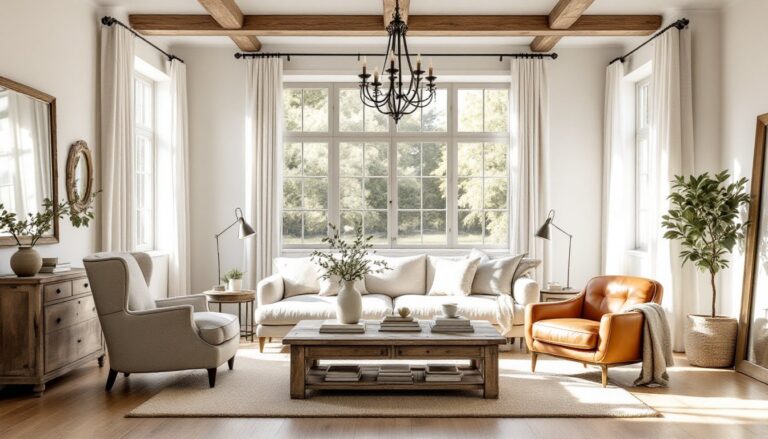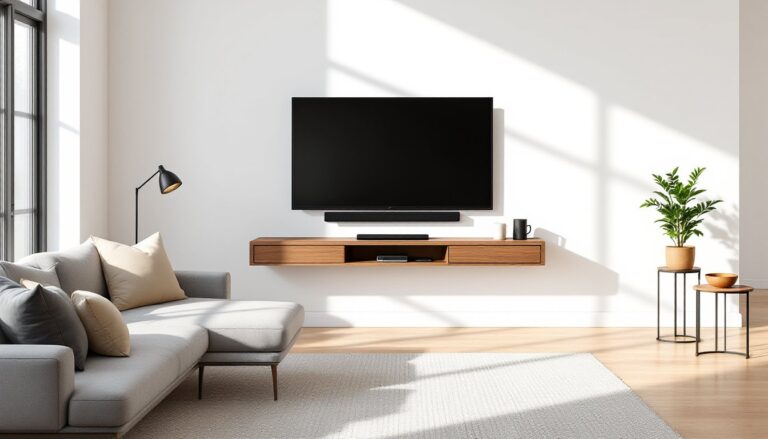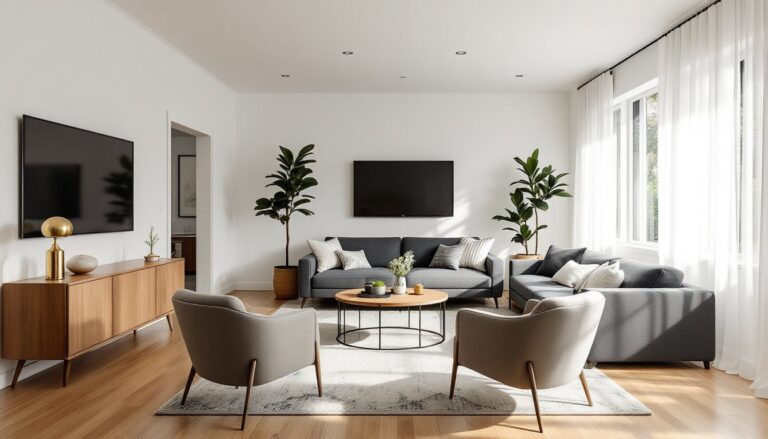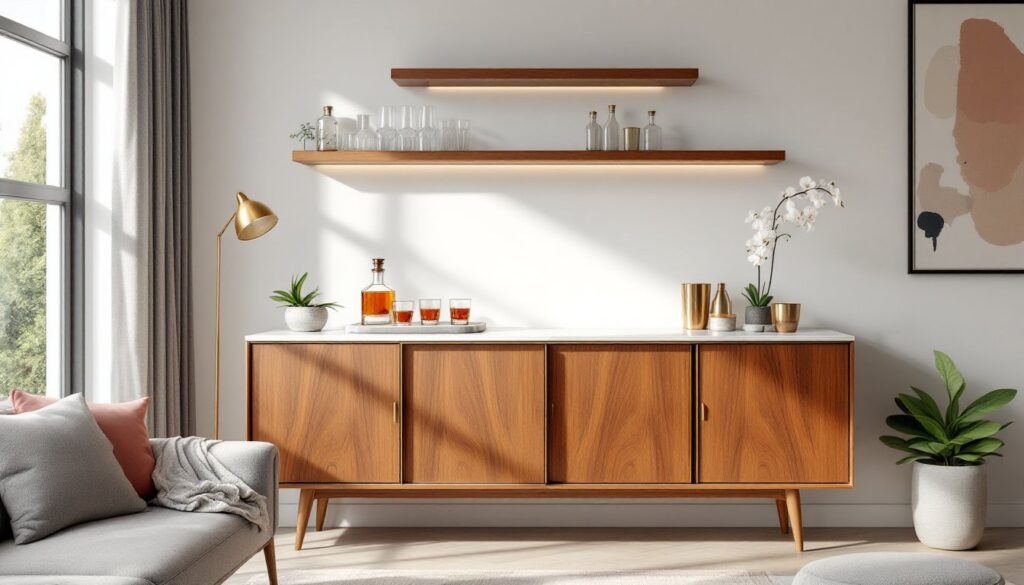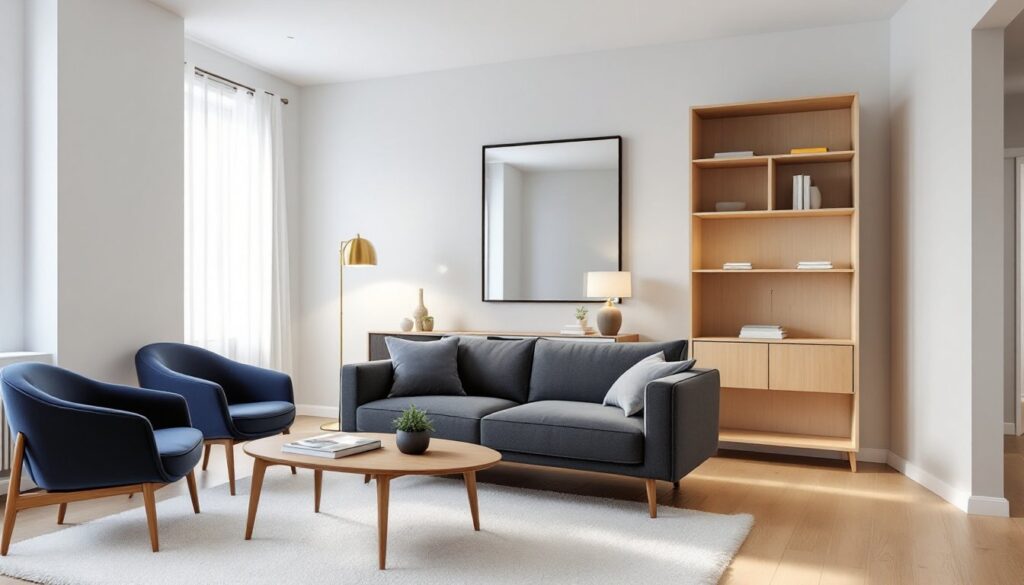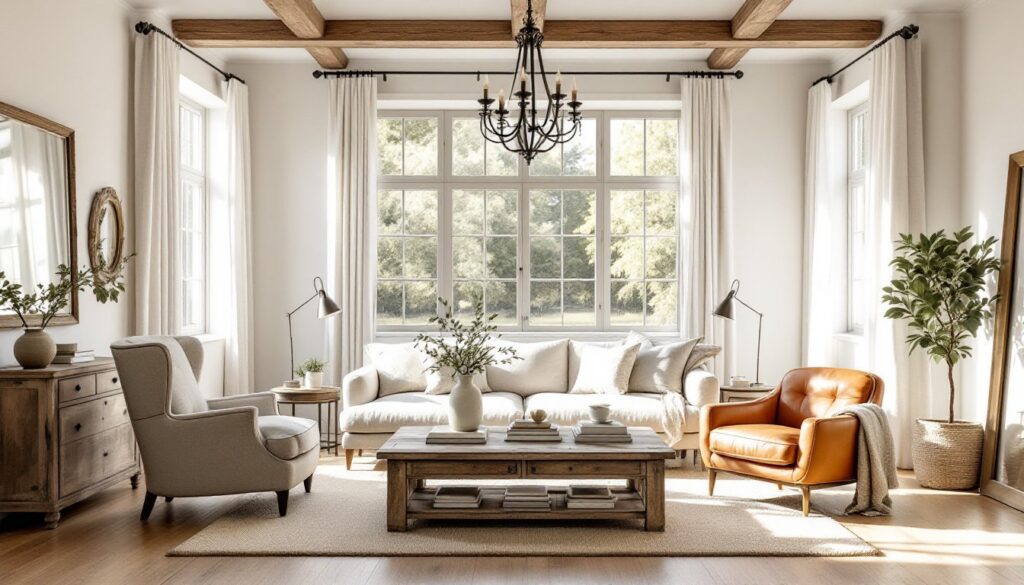

Creating a modern French country living room means balancing rustic charm with clean, contemporary design, no frills, no chintz, just honest materials and thoughtful restraint. This style pulls from provincial farmhouse roots but ditches the heavy ornamentation in favor of edited simplicity. Think reclaimed oak beams paired with linen slipcovers, plaster walls alongside steel-framed windows, and antique finds that earn their place through function as much as form. It’s not about recreating a Loire Valley cottage: it’s about borrowing its warmth and grounding it in livable, modern space. Done right, the result feels collected over time, not ordered from a catalog.
Table of Contents
ToggleKey Takeaways
- Modern French country living room design balances rustic charm with contemporary simplicity by using honest natural materials and thoughtful restraint instead of heavy ornamentation.
- The color palette should feature warm neutrals like limewashed whites, greige, and soft taupe with subtle earthy accents rather than stark grays, allowing texture and natural light to create visual richness.
- Furniture should blend vintage-style pieces with contemporary streamlined forms—think slipcovered sofas, visible joinery, and mismatched seating—avoiding overly ornate or carved details.
- Layering natural textiles like linen, jute, wool, and raw cotton creates depth and prevents the space from feeling flat, especially important when working with a restrained color palette.
- Décor should be curated and intentional, with every object serving a purpose or meaningful story; skip small decorative clutter in favor of large-scale art, minimal mantels, and breathing room on shelves.
- Warm lighting (2700K–3000K bulbs) and dimmers are essential to maintaining the cozy, lived-in ambiance that defines modern French country living rooms.
What Defines a Modern French Country Living Room?
Modern French country is a hybrid, rural French architecture stripped down and updated for how people actually live today. The foundation rests on natural materials: aged wood, stone, lime plaster, and linen. But instead of layering on toile prints and gilded mirrors, the modern approach favors restraint, neutral tones, and cleaner furniture lines.
Key characteristics include exposed structural elements like ceiling beams (real or faux box beams in actual 2×6 or 2×8 lumber), plastered or limewashed walls instead of flat paint, and wide-plank flooring in white oak or reclaimed pine. Furniture silhouettes lean simple, straight-backed dining chairs, low-profile sofas, benches with visible joinery. Ornamentation exists but it’s selective: a single carved mantel, iron hardware, or a vintage chandelier, not all three fighting for attention.
Unlike full-tilt traditional French country, modern versions skip the busy patterns and country cuteness. There’s no rooster pottery or gingham cushions. Instead, the palette stays muted, the textiles stay natural, and any decorative objects get vetted hard. If it doesn’t serve a purpose or tell a story, it doesn’t make the cut.
Color Palette: Neutral Foundations with Subtle Warmth
The color strategy revolves around warm neutrals and earthy whites, not the stark grays common in minimalist interiors. Walls often get treated with limewash, clay paint, or flat-finish latex in shades like warm white, greige, or soft taupe. These finishes have texture and depth, limewash in particular creates a chalky, matte surface that shifts with natural light.
For trim and architectural details, many designers stick with the same wall color or go slightly lighter rather than crisp white. This tonal approach softens transitions and keeps the room feeling cohesive. Wood tones, whether ceiling beams, flooring, or furniture, should read warm: honey oak, walnut, or weathered pine, not cool-toned ash or ebony stain.
Accent colors stay understated. Muted terracotta, sage green, soft charcoal, or dusty blue work as secondary hues in pillows, throws, or a single upholstered chair. The goal isn’t a monochrome box, but the variety comes through texture and material more than color contrast. A jute rug, linen drapes, a wool throw, and raw plaster walls can all be in the same beige family and still feel rich because of how light plays across different surfaces.
Furniture Selection: Blending Vintage Charm and Contemporary Lines
Furniture in a modern French country living room mixes vintage or vintage-style pieces with contemporary, streamlined forms. A slipcovered sofa with a low back and simple track arms anchors the room, no rolled arms or tufted backs. Slipcovers should be linen or linen-cotton blends in natural, oatmeal, or light gray. They’re practical (washable) and reinforce the lived-in, unfussy vibe.
Coffee tables often come from salvaged or reclaimed wood, think a solid oak trestle table or a simple plank top on metal legs. Avoid glass, lucite, or anything too polished. Side tables can be mismatched: a small French wire garden table next to a chunky wood stump or a painted vintage nightstand. The mix is intentional but not chaotic.
Seating variety matters. Pair the sofa with a pair of armchairs in different styles, maybe one slipcovered bergère and one contemporary leather lounge chair. Benches work well in place of extra chairs, especially styles with visible mortise-and-tenon joinery or turned legs. Keep finishes natural or lightly waxed rather than high-gloss lacquer.
If buying new furniture, look for pieces with visible joinery, straight lines, and minimal hardware. Avoid anything overly carved, gilded, or ornate. The French country roots show up in proportions and material choice, not decoration. And if going vintage, focus on structural soundness, wobbly joints and weak seat frames aren’t charming, they’re a project.
Texture and Fabrics: Layering Natural Materials
Texture does the heavy lifting in this style. With a restrained color palette, layering natural materials is what keeps the space from feeling flat. Start with flooring: wide-plank wood (7″ to 10″ face width) in white oak or reclaimed pine, finished with a matte or satin polyurethane or hard wax oil. Avoid glossy finishes, they read too formal.
Rugs should be natural fiber: jute, sisal, wool, or a flatweave cotton in a simple stripe or check. A 9’x12′ jute rug runs around 100–250 dollars depending on quality and provides a neutral, textural base. Layer a smaller vintage or antique rug on top if the room needs a focal point, but keep it muted, faded Persian or Turkish kilims in soft reds and blues work better than bright, saturated patterns.
Window treatments stay simple: unlined linen drapes hung on iron or wood rods, either puddling slightly on the floor or just grazing it. Don’t use blackout linings unless necessary, the goal is to filter daylight, not block it. Roman shades in linen or cotton work for privacy without adding visual weight.
Throw pillows and blankets introduce more texture: linen, raw cotton, chunky wool knits, or vintage grain sacks. Avoid synthetics and anything too slick. A chunky knit throw in undyed wool or a linen quilt adds warmth without pattern overload. Keep quantities reasonable, three to five pillows max, not a dozen.
Décor Elements: Curating Character Without Clutter
Décor in a modern French country living room is spare and intentional. The rule: every object should either be useful or meaningful, preferably both. A worn wooden bowl on the coffee table, a stack of well-made books, a single ceramic vase with fresh greenery. No tchotchkes, no sets of three identical candlesticks.
Wall art leans toward large-scale, simple pieces: a vintage French advertising poster, black-and-white photography in simple wood or metal frames, or an oversized abstract canvas in muted tones. Avoid gallery walls crammed with small frames. One or two larger pieces have more impact and feel less cluttered.
Mirrors work well, especially antique or vintage styles with aged wood or metal frames. A large leaning mirror (at least 4′ tall) propped against a wall adds light and space without requiring anchors into studs, though securing the top with furniture straps is smart if there are kids or pets around.
Fireplace mantels, if present, should stay minimal: a single large candleholder, a piece of driftwood, or a small potted plant. Built-in shelving benefits from negative space, don’t fill every inch. Mix books (spines turned in or stacked horizontally) with a few ceramics, a woven basket, or a small sculpture. Leave some shelves empty.
Plants matter. Olive trees, fiddle-leaf figs, or simple potted herbs in terra-cotta add life without fuss. Fresh-cut branches, olive, eucalyptus, or whatever’s local and seasonal, bring organic shape into the room. Skip fake florals.
Lighting and Finishing Touches: Creating Ambiance
Lighting sets the tone. Overhead fixtures should feel substantial but unfussy, wrought iron chandeliers, simple wood bead chandeliers, or aged brass pendants all work. Avoid anything too polished or contemporary-glam (no chrome or crystal). Scale matters: for a standard 8′ ceiling, a chandelier should hang around 30″ to 34″ above a coffee table or central seating area. For higher ceilings, add 3″ per additional foot of height.
Table and floor lamps provide task and ambient light. Look for ceramic or wood bases in muted tones with linen drum shades. Stick to warm white bulbs (2700K to 3000K color temperature) to maintain that cozy, lived-in feel. Avoid daylight or cool white bulbs, they kill warmth instantly.
Dimmers are essential, especially for overhead fixtures. Installing a standard rotary or slide dimmer takes about 15 minutes if the existing switch box already has a neutral wire (required by NEC since 2011). If not, a professional electrician may need to pull new wire.
Hardware and finishing details tie the room together. Swap out builder-grade door handles and cabinet pulls for oil-rubbed bronze, matte black, or aged brass. Window hardware, curtain rods, finials, should match. These small upgrades make a noticeable difference and cost between 10 to 30 dollars per piece depending on finish and quality. Keep profiles simple: straight rods, minimal ornamentation.
Conclusion
A modern French country living room isn’t about replicating a European farmhouse, it’s about borrowing its soul and building something honest, functional, and visually grounded. Stick to natural materials, edit ruthlessly, and let texture and patina do the talking. The result should feel collected, not decorated, and comfortable enough to actually live in.