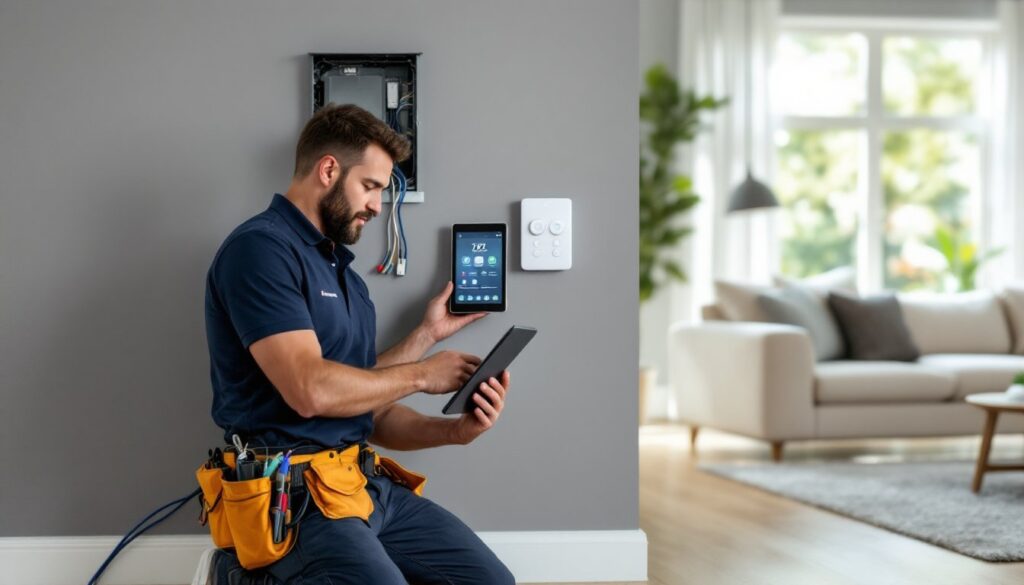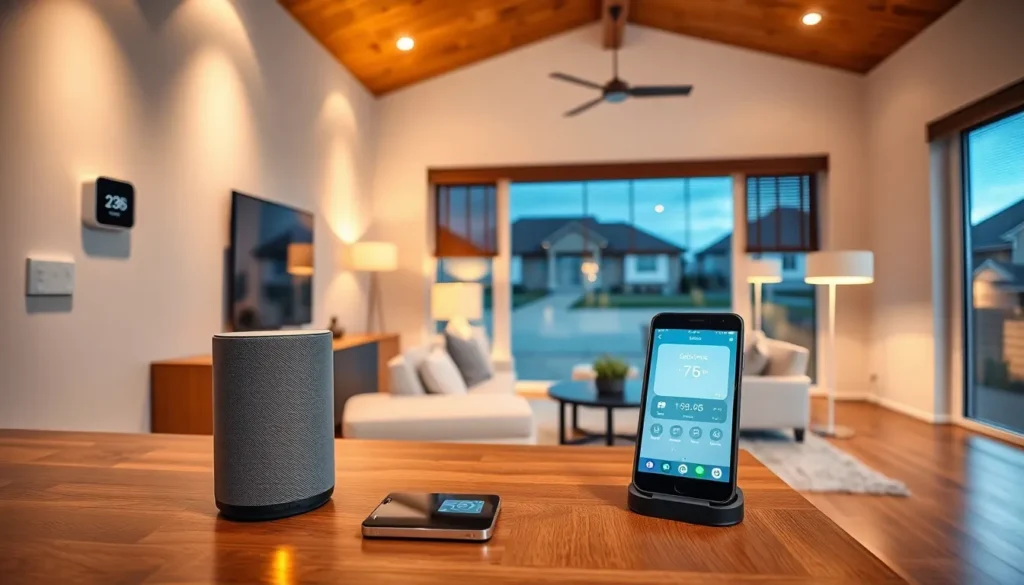

Home automation transforms ordinary houses into intelligent living spaces. This technology allows homeowners to control lighting, security, climate, and appliances through smartphones, voice commands, or automated schedules. The concept sounds futuristic, but millions of households already use these systems daily.
So what is home automation exactly? It’s the connection of everyday devices to a central network that enables remote control and automation. Think of it as giving your home a brain, one that learns your habits, responds to your commands, and makes daily life more convenient.
This guide breaks down how home automation works, what components you need, and why smart home technology has become so popular. Whether someone wants to save energy, improve security, or simply turn off lights without leaving the couch, home automation offers practical solutions.
Table of Contents
ToggleKey Takeaways
- Home automation connects everyday devices to a central network, enabling remote control and automation through smartphones, voice commands, or schedules.
- A complete smart home system requires a hub, sensors, connected devices, reliable Wi-Fi, and a control interface like an app or voice assistant.
- Smart thermostats can save 10-15% on heating and cooling costs, making home automation a practical investment for energy efficiency.
- Popular home automation categories include smart lighting, thermostats, security cameras, locks, speakers, and connected appliances.
- Beyond convenience, home automation enhances security with real-time monitoring, improves accessibility for those with disabilities, and can increase property value.
How Home Automation Works
Home automation relies on three core elements: a central hub, connected devices, and communication protocols. The hub acts as the command center. It receives instructions and sends signals to various devices throughout the home.
Connected devices include smart thermostats, light bulbs, door locks, cameras, and appliances. These devices contain sensors and wireless radios that allow them to communicate with the hub and each other.
Communication protocols make this conversation possible. Common protocols include Wi-Fi, Zigbee, Z-Wave, and Bluetooth. Each has strengths and weaknesses. Wi-Fi offers fast speeds but drains battery life. Zigbee and Z-Wave use less power and create mesh networks where devices relay signals to extend range.
Here’s a simple example of home automation in action: A motion sensor detects someone entering a room. It sends a signal to the hub. The hub triggers the smart lights to turn on. All of this happens in milliseconds.
More advanced setups create automation routines. A “Good Morning” routine might raise the thermostat, start the coffee maker, and play the morning news, all triggered by a single alarm. These routines remove repetitive tasks from daily life.
Voice assistants like Amazon Alexa, Google Assistant, and Apple Siri have made home automation more accessible. Users speak commands instead of opening apps. This hands-free control has accelerated adoption among all age groups.
Key Components of a Smart Home System
Building a home automation system requires several key components. Understanding each piece helps homeowners make informed purchasing decisions.
Smart Hub or Controller
The smart hub connects all devices and manages communication between them. Popular options include Samsung SmartThings, Amazon Echo (with built-in hub), and Apple HomePod. Some systems operate without a central hub, devices connect directly to Wi-Fi and communicate through cloud servers.
Sensors
Sensors detect changes in the environment. Motion sensors track movement. Door and window sensors monitor entry points. Temperature sensors measure climate conditions. Water leak sensors prevent flooding damage. These sensors provide the data that triggers automated responses.
Smart Devices
Smart devices perform actions based on commands or sensor data. This category includes smart plugs, light bulbs, switches, thermostats, locks, and cameras. Each device adds functionality to the home automation system.
Network Infrastructure
A reliable Wi-Fi network forms the backbone of most home automation setups. Mesh router systems help maintain strong signals throughout larger homes. Some devices require specific protocols like Zigbee or Z-Wave, which may need additional hub hardware.
Control Interface
Users interact with home automation through apps, voice assistants, or physical control panels. Most systems offer multiple control options. Someone might use voice commands during breakfast, an app while at work, and wall-mounted panels in the evening.
Popular Home Automation Devices and Features
Home automation covers nearly every aspect of household management. Here are the most popular categories and devices.
Smart Lighting
Smart bulbs and switches let users control lights remotely. They can dim lights, change colors, set schedules, and create scenes. Philips Hue, LIFX, and Wyze offer popular smart lighting products. Motion-activated lighting adds convenience and security.
Smart Thermostats
Devices like Nest, Ecobee, and Honeywell learn household patterns and adjust temperatures automatically. They reduce energy waste by lowering heating or cooling when no one is home. Many utility companies offer rebates for smart thermostat installation.
Smart Security
Home automation has transformed home security. Smart cameras, video doorbells, and connected locks provide real-time monitoring. Ring, Arlo, and Nest offer camera systems with cloud storage and motion alerts. Smart locks eliminate the need for physical keys and allow temporary access codes for guests.
Smart Speakers and Displays
Amazon Echo, Google Nest, and Apple HomePod devices serve as voice-controlled hubs. They play music, answer questions, make calls, and control other smart devices. Smart displays add visual feedback with touchscreens that show camera feeds, calendars, and recipes.
Smart Appliances
Modern refrigerators, washers, dryers, and ovens connect to home networks. A smart refrigerator tracks expiration dates and creates shopping lists. A smart washer sends notifications when cycles complete. These appliances add convenience to routine household tasks.
Entertainment Systems
Smart TVs, streaming devices, and multi-room audio systems integrate with home automation. Users create scenes that dim lights, close blinds, and start their favorite streaming service with a single command.
Benefits of Home Automation
Home automation delivers practical advantages that justify the initial investment. These benefits explain why smart home adoption continues to grow.
Convenience
Home automation eliminates repetitive tasks. Lights turn on automatically at sunset. Doors lock themselves at bedtime. Coffee starts brewing before the alarm sounds. These small conveniences add up to significant time savings.
Energy Efficiency
Smart thermostats and lighting systems reduce energy consumption. The Department of Energy estimates smart thermostats save 10-15% on heating and cooling costs. Motion-sensing lights prevent waste by turning off in empty rooms. Over time, these savings offset equipment costs.
Enhanced Security
Home automation improves home security beyond traditional systems. Real-time camera feeds show activity anywhere, anytime. Smart locks track who enters and when. Sensors detect unusual movement or broken glass. Automated lighting simulates occupancy during vacations.
Remote Monitoring and Control
Homeowners gain peace of mind through remote access. They can check camera feeds, lock doors, or adjust thermostats from anywhere with internet access. Parents monitor when children arrive home from school. Pet owners watch their animals during work hours.
Accessibility
Home automation helps people with mobility challenges or disabilities. Voice control eliminates the need to reach switches or handles. Automated routines reduce physical tasks. These features allow greater independence for elderly residents and those with disabilities.
Property Value
Smart home features appeal to home buyers. Real estate studies show homes with automation systems sell faster and at higher prices. Buyers view smart features as modern upgrades worth paying for.