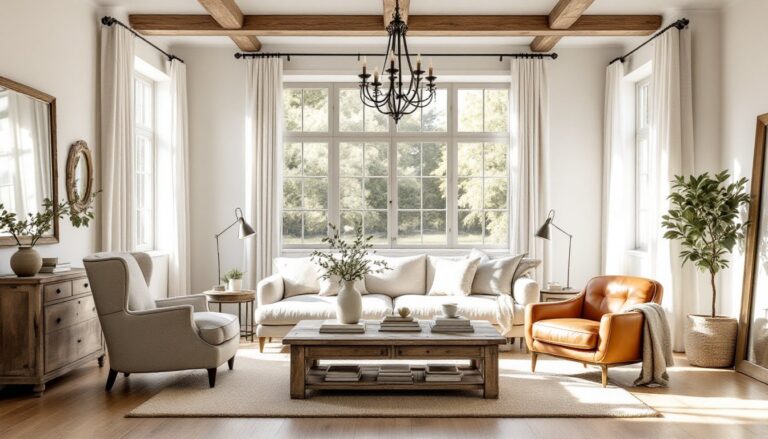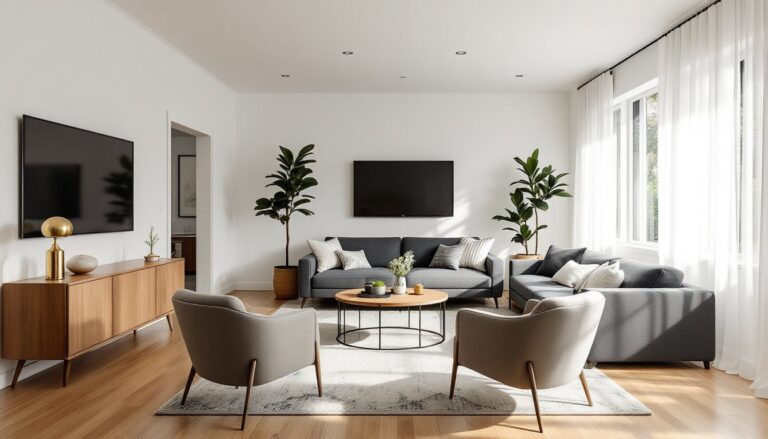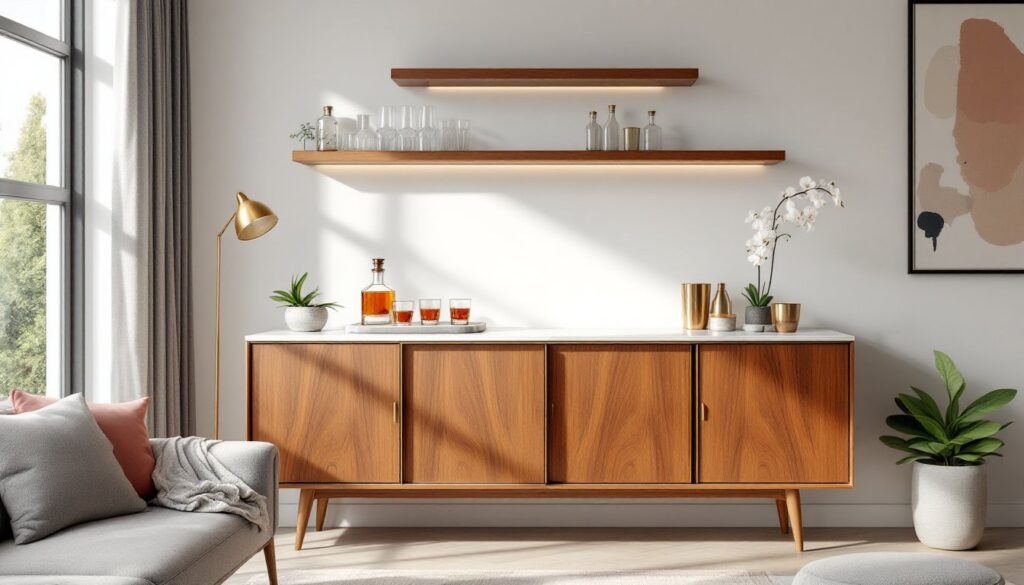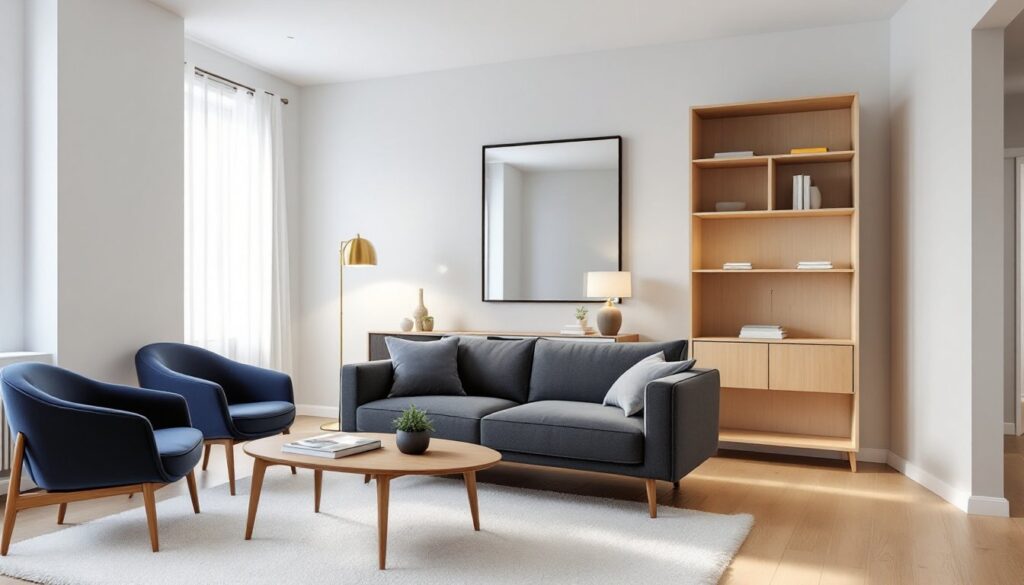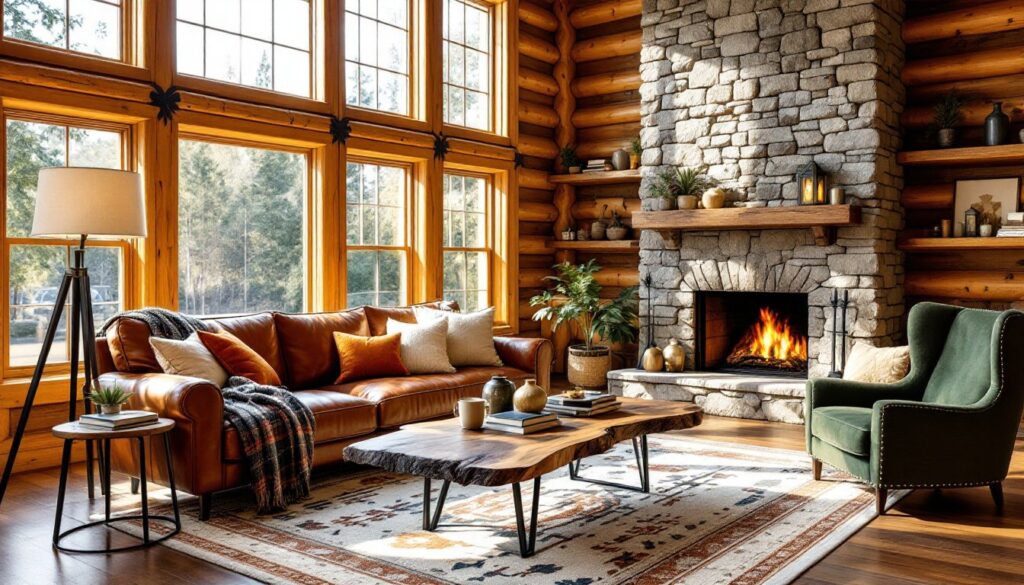

Log cabin living rooms blend rustic charm with modern comfort, creating spaces that feel both grounded and inviting. Whether someone’s decorating a full-time cabin retreat or bringing cabin style to a suburban home, the principles remain the same: celebrate natural materials, embrace warmth, and layer textures thoughtfully. The challenge isn’t just picking furniture, it’s balancing the raw beauty of exposed wood with livable comfort. This guide walks through practical design choices that honor authentic cabin character while creating a room people actually want to spend time in.
Table of Contents
ToggleKey Takeaways
- Log cabin living room ideas thrive on varying wood tones and finishes—use reclaimed barnwood accents, live-edge shelving, and different timber cuts to add visual depth and avoid a monotonous look.
- Choose warm earth-tone color palettes with hunter green, burnt orange, and charcoal accents that complement natural materials without competing for attention.
- Select sturdy furniture with exposed wood frames and heavyweight upholstery in leather or canvas that can handle wear, and scale pieces appropriately for rooms with high ceilings and large beams.
- Layer lighting with ambient, task, and accent sources—install dimmers and use warm 2700K–3000K bulbs to create the cozy atmosphere essential to cabin living rooms.
- Add texture through area rugs, throw blankets, and mixed-material pillows to soften hard wood and stone surfaces while anchoring furniture groupings.
- Balance the abundance of wood with stone fireplaces and oil-rubbed bronze or matte black metal accents to reinforce authentic cabin character and create visual contrast.
Embrace Natural Wood Elements and Textures
The defining feature of any cabin living room is wood, lots of it. Exposed log walls, timber beams, and plank floors create the foundation, but the key is varying the wood tones and finishes to avoid a monotonous look.
If the room already has full log walls, there’s no need to add more wood just for the sake of it. Instead, introduce contrast with reclaimed barnwood accents, live-edge shelving, or a rough-sawn mantel beam. These different cuts and finishes catch light differently and add visual depth. A Douglas fir beam shows pronounced grain, while white pine logs offer smoother, lighter surfaces.
For rooms with drywall or painted interiors, wood elements can be added selectively. A feature wall clad in tongue-and-groove knotty pine or cedar planks brings instant cabin authenticity. Install horizontally for a contemporary feel or vertically to emphasize ceiling height. Use a pneumatic brad nailer for clean installation, and predrill knots to prevent splitting.
Finish choices matter. Clear polyurethane preserves natural color but can yellow over time. Water-based poly stays clearer. For a more matte, natural look, hard wax oil finishes (like Rubio Monocoat or Osmo) penetrate the wood and enhance grain without a plastic sheen. They’re also easier to spot-repair.
Don’t forget the ceiling. Exposed rafters or a coffered pine ceiling adds architectural interest overhead, drawing the eye up and making the space feel larger. If budget allows, consider having rough-sawn timbers milled locally, they often cost less than you’d expect and bring authentic regional character.
Choose the Perfect Color Palette for Your Cabin Living Room
Cabin color palettes should echo the outdoors: earth tones, forest greens, deep reds, and neutrals that let natural materials shine.
Start with the walls. If they’re already log or wood-clad, the palette is mostly set. For drywall or painted surfaces, warm neutrals work best, greiges, taupes, or soft creams (think Sherwin-Williams Accessible Beige or Benjamin Moore Revere Pewter). These shades complement wood tones without competing.
Accent colors bring personality. Hunter green, burnt orange, deep burgundy, and charcoal gray all reinforce the cabin vibe. Use these on throw pillows, area rugs, or a single accent wall. Avoid pastels or overly bright hues, they clash with the organic warmth of wood.
Texture adds dimension within a muted palette. A charcoal wool blanket, rust-colored linen curtains, and a cream sheepskin rug all stay within the neutral-to-warm range but create visual interest through material variation.
For trim and built-ins, consider leaving wood natural or using a semi-transparent stain that preserves grain. If painting, go darker rather than lighter, black or deep brown window frames create crisp contrast against lighter walls and emphasize views outside.
One caution: avoid the urge to paint over beautiful wood just to lighten a room. Instead, improve lighting (covered below) or add mirrors to bounce natural light around. Painted-over log walls rarely look intentional and can hurt resale value in true cabin properties.
Select Furniture That Balances Comfort and Rustic Charm
Cabin furniture should look sturdy and feel even sturdier. Overstuffed sectionals and delicate mid-century pieces don’t fit here, look for solid frames, leather or heavy fabric upholstery, and silhouettes that echo craft traditions.
Sofas and seating: Leather ages beautifully in cabin settings and handles wear from boots, dogs, and damp outerwear. Full-grain leather develops patina: top-grain is more uniform and stain-resistant. If fabric is preferred, choose heavyweight materials, canvas, wool, or performance fabrics like Sunbrella that resist moisture and stains. Skip linen and velvet: they’re too delicate.
Look for exposed wood frames in the arms or legs. A sofa with walnut or oak arm caps ties the furniture back to the room’s architectural wood. Avoid fully upholstered pieces with no visible structure, they read too contemporary.
Coffee tables and side tables: Reclaimed wood, live-edge slabs, and timber-frame construction all work well. A live-edge walnut coffee table on industrial steel legs balances rustic material with clean lines. Alternatively, a trunk-style table offers hidden storage for blankets and firewood kindling.
Chairs: Windsor-style chairs, Adirondack-inspired seating, or upholstered club chairs with nailhead trim fit the aesthetic. Mix seating types for a collected-over-time look rather than a matching furniture set.
Scale matters in rooms with high ceilings and big beams. Undersized furniture gets lost. Choose pieces with visual heft, a deep sofa, a tall bookshelf, or a substantial armchair. If the room feels cavernous, area rugs and furniture groupings help define zones and bring the scale down.
Layer Lighting to Create Warmth and Ambiance
Cabins often lack the natural light of suburban homes, especially if surrounded by trees or facing north. Layered lighting, ambient, task, and accent, compensates and enhances the cozy factor.
Ambient lighting provides overall illumination. If the cabin has exposed beams, a wrought-iron or antler chandelier serves as both light source and focal point. Size it appropriately: for a room 12×12 feet, aim for a fixture around 24 inches in diameter. Hang it 7 feet above the floor or 30–36 inches above a coffee table.
Recessed can lights work in timber ceilings if installed during construction, but retrofitting them is tricky and may require cutting into structural members, consult a licensed electrician and check local codes. Surface-mount fixtures or track lighting offer easier alternatives.
Task lighting handles reading and close work. Floor lamps with three-way bulbs (50/100/150W equivalent LED) offer flexibility. Position one beside a reading chair and another near the sofa. Choose fixtures with metal or wood bases rather than ceramic or glass, they fit the cabin aesthetic better.
Accent lighting adds drama. Use it to highlight a stone fireplace, a mounted trophy, or a piece of artwork. Small LED puck lights on shelves showcase collections without harsh glare. Battery-powered options eliminate wiring headaches in retrofit situations.
Dimmer switches are non-negotiable. They let occupants adjust light levels for different moods, bright for board games, low for movie night. Install dimmers rated for LED bulbs: older incandescent dimmers often cause LED flicker.
Color temperature matters. Stick with 2700K–3000K (warm white) bulbs. Anything cooler reads institutional and kills the cozy vibe. Avoid daylight (5000K+) bulbs entirely.
Add Cozy Textiles and Soft Furnishings
Textiles soften the hard edges of wood and stone while adding warmth, critical in spaces that can feel cold or echo-prone.
Area rugs anchor furniture groupings and provide insulation over wood or stone floors. Wool rugs wear well and resist stains: jute and sisal add texture but can be scratchy underfoot. Look for patterns inspired by Native American or Scandinavian designs, geometric motifs in rust, black, and cream work particularly well. Size the rug so front furniture legs sit on it: in a seating area, that’s usually an 8×10-foot or 9×12-foot rug.
Throw blankets draped over sofas and chairs invite use. Choose chunky knits, wool plaids (Pendleton is a classic choice), or faux fur. Keep a basket near the fireplace stocked with extra throws, they’re functional, not just decorative.
Pillows add color and comfort. Mix sizes: 22-inch squares on the sofa, 18-inch on chairs, and a lumbar or two for back support. Combine textures, leather, wool, linen, and faux fur, for visual interest. Use inserts slightly larger than the cover for a plump, full look (a 22-inch insert in a 20-inch cover works well).
Window treatments control light and add softness. Heavy linen or canvas curtains in natural tones work well: avoid fussy valances or sheers. Mount rods close to the ceiling and let panels puddle slightly on the floor for a relaxed look. If privacy isn’t an issue, skipping curtains entirely keeps focus on outdoor views.
Layering is key. A jute rug topped with a smaller sheepskin, a leather sofa piled with wool and knit pillows, these combinations add depth and make the space feel curated rather than staged.
Incorporate Stone and Metal Accents for Authentic Cabin Style
Stone and metal balance the abundance of wood and reinforce the connection to nature and craft.
Stone fireplaces serve as natural focal points. If building new or renovating, consider stacked stone (ledgestone or fieldstone) rather than smooth river rock, it has more texture and visual interest. For an existing brick fireplace, a stone veneer can be applied directly over brick with mortar or construction adhesive: this is a moderately skilled DIY project, though heavy stones may require a helper.
Dry-stacked stone (no visible mortar) looks more organic but requires precise cutting and fitting. Mortared joints are easier for DIYers and offer better structural integrity. Use a Type S mortar for veneer applications. If the fireplace is purely decorative (gas or electric insert), structural load isn’t a concern, but a working wood-burning fireplace must meet IRC and local codes for clearances and hearth dimensions, typically a 16-inch hearth extension in front and 8 inches to the sides.
Metal accents add industrial contrast. Wrought iron curtain rods, steel fireplace tools, and hammered metal light fixtures bring in darker tones that ground the space. Look for oil-rubbed bronze, matte black, or antiqued finishes rather than shiny nickel or chrome.
Metal can also appear in furniture hardware, drawer pulls, trunk hinges, or the base of a coffee table. Mixing metal finishes is fine in a cabin setting: the eclectic, collected look suits the style.
Be mindful of weight. Natural stone is heavy, a full-height stacked stone fireplace can weigh several tons. Ensure the floor framing can support the load, especially in second-story or loft installations. If in doubt, consult a structural engineer before proceeding. Faux stone panels (polyurethane or concrete-based) offer a lightweight alternative that’s DIY-friendly and visually convincing from a few feet away.
Conclusion
Creating an authentic cabin living room comes down to honoring natural materials, layering textures, and choosing pieces built to last. The best cabin spaces don’t follow a rigid formula, they mix reclaimed finds with quality new pieces, balance rustic grit with genuine comfort, and reflect the landscape outside. Focus on getting the big elements right, wood tones, furniture scale, and lighting, and the room will feel grounded and intentional, not decorated.