
Learning how to home automation doesn’t require a tech degree or a massive budget. Smart home technology has become accessible, affordable, and surprisingly simple to set up. Whether someone wants to control lights with their voice, monitor their home remotely, or save energy with automated thermostats, this guide covers everything they need to get started. Home automation transforms everyday living spaces into responsive environments that adapt to residents’ needs. The process involves connecting devices, choosing the right ecosystem, and building a system that grows over time. This beginner’s guide breaks down each step clearly, helping readers build their first smart home with confidence.
Table of Contents
ToggleKey Takeaways
- Home automation relies on sensors, controllers, and actuators that communicate via Wi-Fi, Zigbee, Z-Wave, or Bluetooth to control devices automatically.
- Choose a smart home ecosystem (Amazon Alexa, Google Home, or Apple HomeKit) before buying devices to ensure seamless compatibility.
- Start your home automation journey with essential devices like a smart speaker, smart bulbs, smart plugs, and a video doorbell for under $200.
- Create routines for morning, away, and bedtime scenarios to maximize convenience and energy savings.
- Secure your smart home by using strong passwords, enabling two-factor authentication, and keeping device firmware updated.
- Expand your system gradually based on real needs, and shop during sales events like Prime Day or Black Friday for the best deals.
What Is Home Automation and How Does It Work?
Home automation refers to the automatic control of household devices and systems. These devices connect to a network and respond to commands from apps, voice assistants, or preset schedules.
At its core, home automation relies on three components: sensors, controllers, and actuators. Sensors detect changes like motion, temperature, or light levels. Controllers process this information and send instructions. Actuators execute those instructions by turning devices on, off, or adjusting their settings.
Most smart home devices communicate through Wi-Fi, Zigbee, Z-Wave, or Bluetooth protocols. Wi-Fi devices connect directly to home routers. Zigbee and Z-Wave require separate hubs but offer better range and lower power consumption. Bluetooth works well for short-range connections.
A typical home automation setup might work like this: A motion sensor detects someone entering a room. It sends a signal to the controller (often a smart hub or app). The controller then tells the smart lights to turn on. All of this happens in milliseconds without any manual input.
Home automation also enables “scenes” or “routines.” These are preset combinations of actions. A “Good Morning” routine might raise the thermostat, turn on kitchen lights, and start the coffee maker, all triggered by a single command or scheduled time.
Choosing the Right Smart Home Ecosystem
Before purchasing any devices, buyers should pick a smart home ecosystem. The three major platforms are Amazon Alexa, Google Home, and Apple HomeKit. Each has distinct strengths.
Amazon Alexa offers the widest device compatibility. Thousands of products work with Alexa, making it easy to find affordable options. Echo devices serve as the primary hub, and the Alexa app provides centralized control.
Google Home excels at voice recognition and search integration. Google Assistant understands natural language well and connects seamlessly with other Google services. Nest devices integrate particularly smoothly with this ecosystem.
Apple HomeKit prioritizes privacy and security. It requires devices to meet strict encryption standards. HomeKit works best for households already invested in Apple products like iPhones and iPads. The Home app provides clean, intuitive controls.
Some newer devices support Matter, a universal smart home standard launched in 2022. Matter-compatible products work across all major ecosystems, reducing lock-in concerns.
When choosing an ecosystem, consider these factors:
- Which voice assistant does the household prefer?
- What devices does the family already own?
- How important is cross-platform compatibility?
- What’s the budget for smart home devices?
Sticking with one primary ecosystem simplifies setup and ensures devices communicate reliably with each other.
Essential Devices for Your First Smart Home Setup
Starting a home automation journey doesn’t mean buying everything at once. Beginners should focus on foundational devices that deliver immediate value.
Smart Speakers and Displays
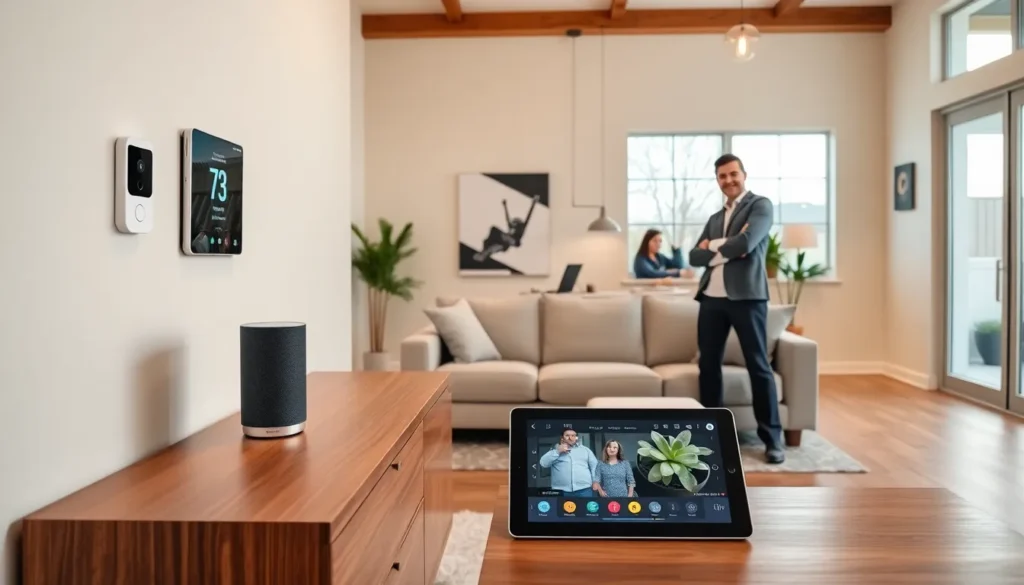
A smart speaker serves as the command center for most home automation setups. Amazon Echo, Google Nest, and Apple HomePod models all work well. Smart displays add visual feedback and can show security camera feeds or video recipes.
Smart Lighting
Smart bulbs and switches offer the easiest entry point into home automation. Philips Hue, Wyze, and LIFX produce popular options. Users can dim lights, change colors, set schedules, and create ambiance, all from their phones or voice commands.
Smart Thermostats
Devices like the Nest Learning Thermostat or Ecobee save energy by learning household patterns. They adjust temperatures automatically and allow remote control. Many utility companies offer rebates for smart thermostat purchases.
Smart Plugs
Smart plugs transform any standard device into a controllable one. Plug in a lamp, fan, or coffee maker, and it becomes voice-activated. These cost between $10-25 each and require no installation.
Smart Locks and Doorbells
Video doorbells from Ring, Nest, or Eufy let homeowners see visitors from anywhere. Smart locks enable keyless entry and can generate temporary codes for guests or service providers.
For a first home automation setup, most beginners should start with a smart speaker, a few smart bulbs or plugs, and perhaps a video doorbell. This combination costs under $200 and demonstrates the convenience of connected living.
Step-by-Step Guide to Setting Up Your Smart Home
Setting up home automation follows a logical sequence. These steps ensure a smooth installation process.
Step 1: Assess Your Network
Smart devices need reliable Wi-Fi. Check router placement and consider a mesh network system if coverage is inconsistent. Most homes need at least 100 Mbps internet speeds for multiple smart devices.
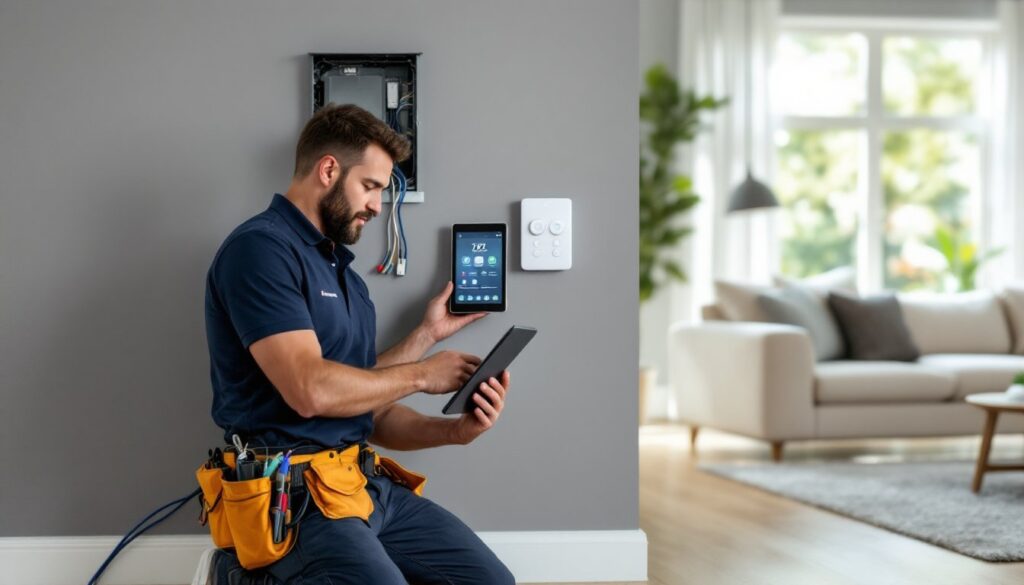
Step 2: Set Up Your Hub or Smart Speaker
Download the corresponding app (Alexa, Google Home, or Apple Home). Create an account and follow the prompts to connect your smart speaker to Wi-Fi. This device becomes the central controller.
Step 3: Add Devices One at a Time
Install each new device following its specific instructions. Most require downloading a manufacturer app first, then linking that account to your main ecosystem. Don’t rush, proper initial setup prevents problems later.
Step 4: Organize Devices into Rooms
Within your smart home app, assign devices to specific rooms. This organization allows commands like “Turn off the bedroom lights” instead of naming each bulb individually.
Step 5: Create Your First Routines
Start with simple automations:
- Morning routine: Lights on, thermostat adjusts, news briefing plays
- Away mode: Lights off, thermostat sets to eco mode, cameras arm
- Bedtime routine: Doors lock, lights dim, phone charges
Step 6: Test Everything
Run through each routine and voice command. Check that devices respond correctly. Troubleshoot any connectivity issues before adding more devices.
Home automation works best when built gradually. Master each device before adding the next one.
Tips for Expanding and Optimizing Your System
Once the basics are running smoothly, homeowners can expand their home automation systems strategically.
Prioritize High-Impact Additions
Focus on devices that solve real problems. If energy bills run high, add smart plugs to identify phantom power drains. If security matters most, invest in cameras and sensors. Let actual needs guide purchases rather than novelty.
Use Automation Triggers Creatively
Beyond voice commands and schedules, explore location-based triggers. Geofencing can detect when residents leave or arrive home. Lights can turn on automatically at sunset. Motion sensors can trigger specific actions in different rooms.
Monitor and Adjust Routines
Home automation improves with tweaking. Review how routines perform over weeks. Adjust timing, add conditions, or remove steps that don’t add value. The best systems evolve with household habits.
Secure Your Smart Home
Security matters as homes become more connected. Use strong, unique passwords for each device account. Enable two-factor authentication when available. Keep firmware updated. Consider creating a separate Wi-Fi network for smart devices.
Watch for Sales and Bundles
Smart home devices often go on sale during Prime Day, Black Friday, and holiday seasons. Starter kits and bundles typically offer better value than buying individual components.
Stay Within Your Ecosystem
Adding devices from the same ecosystem ensures compatibility. Mixing platforms can create frustrating gaps where devices don’t communicate properly.
Home automation should simplify life, not complicate it. Add new devices only when they serve a clear purpose.