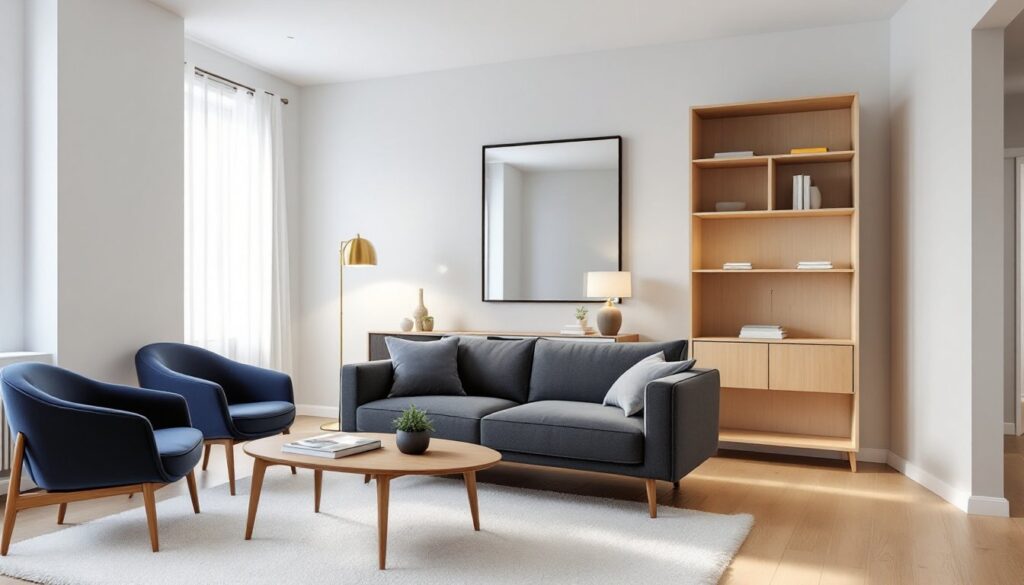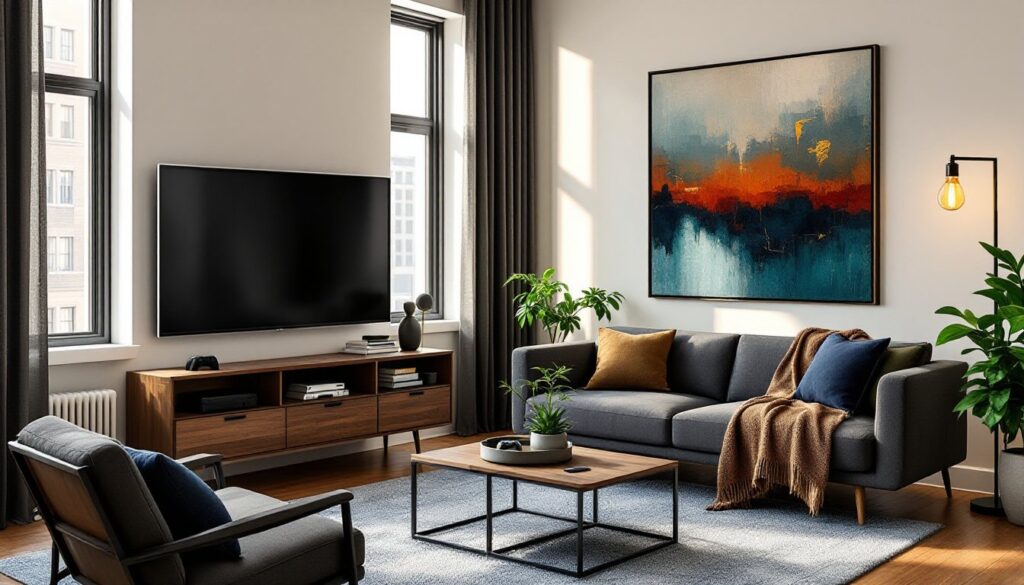

A bachelor living room should do more than just hold furniture, it should feel intentional, comfortable, and distinctly personal. Whether he’s hosting game nights, unwinding after work, or catching up with friends, the space needs to work hard without looking like it’s trying too hard. Forget the outdated stereotypes of bare walls and mismatched hand-me-downs. With strategic design choices and a few practical upgrades, any guy can create a living room that balances style with livability. This isn’t about following a decorator’s rigid rules: it’s about building a space that reflects individual taste while staying functional and welcoming.
Table of Contents
ToggleKey Takeaways
- Bachelor living room ideas work best when anchored by a strong focal point such as a TV, fireplace, or statement art that draws the eye immediately upon entry.
- Invest in quality furniture with hardwood frames and durable fabrics—leather and performance textiles withstand wear far better than delicate materials and cheaper particle board.
- Layer masculine color palettes using neutral wall foundations with deeper accent tones like charcoal, navy, and olive through furniture and accessories rather than painting every wall.
- Add texture through varied materials—pair leather sofas with linen pillows, mix metal with wood, and incorporate area rugs and throw blankets to prevent sterile, one-dimensional spaces.
- Smart storage solutions including media consoles, floating shelves, and storage ottomans keep clutter hidden while maintaining a clean, intentional aesthetic.
- Personalize with carefully curated art, lighting fixtures, and decor that reflects individual interests—aim for impact with large-scale pieces and avoid filling every surface randomly.
Start With a Focal Point That Makes a Statement
Every strong living room design anchors around a single focal point, the element that draws the eye when someone walks in. For most bachelor pads, that’s either the television setup or an architectural feature like a fireplace or large window.
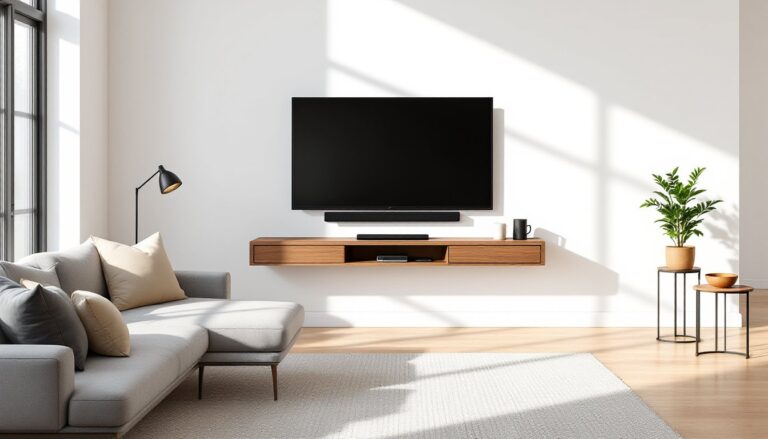
If the TV is the main attraction, treat it like one. Mount it at eye level (typically 42–48 inches from the floor to the center of the screen) and avoid the common mistake of mounting too high, which strains necks during extended viewing. Use a low-profile wall mount for a clean look, and run cables through the wall using an in-wall cable management kit if the space is owned and permanent modifications are allowed. For renters, cable raceways painted to match the wall color offer a cleaner alternative to exposed cords.
Consider building or installing a media console beneath the TV. Solid wood or veneer consoles with open shelving and closed cabinets provide storage for gaming systems, remotes, and other gear while maintaining visual balance. Avoid flimsy particle board units, they sag under the weight of quality electronics and rarely survive a move.
If a fireplace exists, enhance it rather than compete with it. A fresh coat of heat-resistant paint on outdated brick or a modern floating mantel (typically made from reclaimed wood or steel) can transform the look without major construction. For rooms lacking a natural focal point, a large piece of art, a statement shelving unit, or even a well-styled bookcase can anchor the space effectively.
Choose Furniture That Balances Style and Comfort
Furniture in a bachelor living room needs to be comfortable enough for long stretches but structured enough to look intentional. That means avoiding both the overstuffed college-dorm couch and the stiff, decorator-only showpiece.
The sofa is the largest investment and the most-used piece, so prioritize quality. Look for hardwood frames (not particleboard) and eight-way hand-tied springs or high-density foam cushions that hold their shape. Leather and performance fabrics (like those treated with stain-resistant finishes) handle wear better than delicate textiles. A three-seater sectional or a sofa paired with a substantial armchair offers flexible seating without overcrowding smaller spaces.
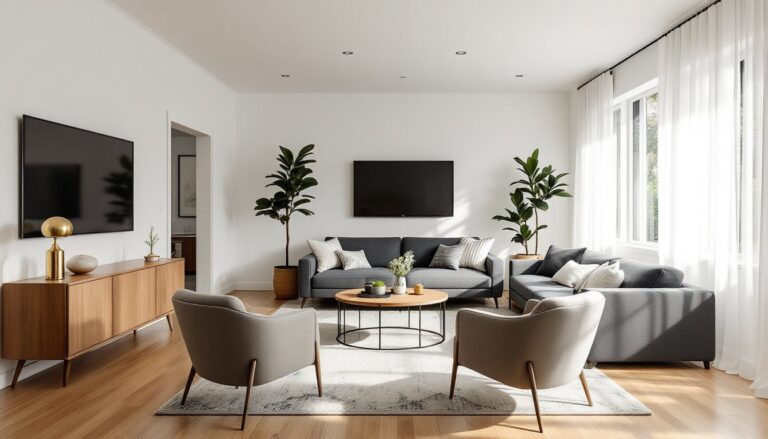
Avoid pushing all furniture against the walls. Float the sofa a few feet into the room to create breathing room and define the seating area. In open-concept layouts, this also helps distinguish the living zone from dining or kitchen areas.
Coffee tables should be proportional, typically about two-thirds the length of the sofa and positioned 14–18 inches from the seating edge for comfortable reach. Materials like solid wood, metal, or tempered glass hold up better than laminate. For multitaskers, lift-top coffee tables provide a raised surface for dining or laptop work without cluttering the room with a separate desk.
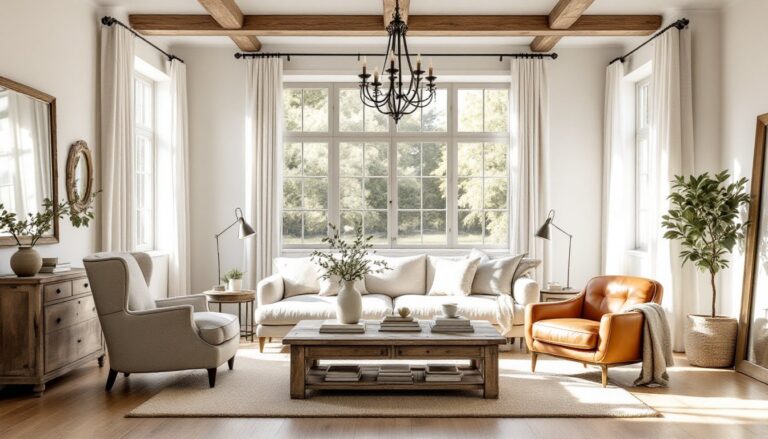
End tables and accent chairs fill gaps without adding bulk. A single leather club chair or a pair of mid-century modern armchairs in a complementary color can make the room feel curated. Skip the matchy-matchy living room sets, they read as generic and lack personality.
Embrace a Masculine Color Palette
Color sets the tone, and a well-chosen palette keeps a bachelor living room feeling cohesive without becoming monotonous. Masculine schemes tend to favor deeper, muted tones, think charcoal, navy, olive, tobacco brown, and warm grays, but that doesn’t mean everything has to be dark.
Start with neutral walls as the foundation. Shades like Agreeable Gray (Sherwin-Williams) or Revere Pewter (Benjamin Moore) provide flexibility and make furniture and art pop. If he’s ready to commit to color, an accent wall in a bold hue like deep teal, slate blue, or even black can add drama without overwhelming the space. Use a flat or matte finish for sophisticated depth, though eggshell finishes are more forgiving in high-traffic areas.
Layer in color through furniture and accessories. A rust-colored leather sofa or navy upholstered armchairs introduce richness without requiring frequent repainting. Rugs, throw pillows, and blankets offer easy opportunities to experiment, swap them seasonally or when tastes shift.
Avoid overly saturated or neon tones unless used sparingly as small accents. And don’t fear contrast: pairing dark walls with lighter furniture (or vice versa) creates visual interest and prevents the room from feeling flat or one-dimensional.
Add Texture and Layers for Visual Depth
Texture turns a flat, one-note room into something that feels finished and intentional. In a bachelor living room, mixing materials prevents the space from reading as sterile or overly minimalist.
Start with the floor. If the room has hardwood or laminate flooring, add an area rug to define the seating zone and soften acoustics. Aim for a rug large enough that at least the front legs of the sofa and chairs rest on it, typically 8×10 feet for standard living rooms. Wool, jute, or low-pile synthetic rugs handle foot traffic better than high-pile shag and are easier to clean.
Incorporate varied materials throughout the room. Pair a leather sofa with linen or canvas throw pillows. Balance metal-framed furniture with wood side tables or shelving. Add a chunky knit throw blanket over the arm of the couch or a textured woven basket for storing remotes and magazines.
Window treatments add another layer. Heavy linen or canvas curtains in neutral tones provide privacy and sound dampening while maintaining a clean look. Mount curtain rods closer to the ceiling than the window frame to make the room feel taller. If blackout capability matters for TV viewing or sleeping in an open-concept space, choose thermal-lined panels.
Even small details contribute: leather-bound books, a ceramic or concrete planter, or a steel and wood console table all add tactile variety without cluttering surfaces.
Incorporate Smart Storage Solutions
Clutter kills the vibe faster than bad lighting. A bachelor living room needs discreet, functional storage to keep everyday items accessible but out of sight.
Media consoles with closed cabinets hide gaming controllers, cables, and disc collections while keeping surfaces clean. Look for units with adjustable shelving to accommodate varying equipment heights.
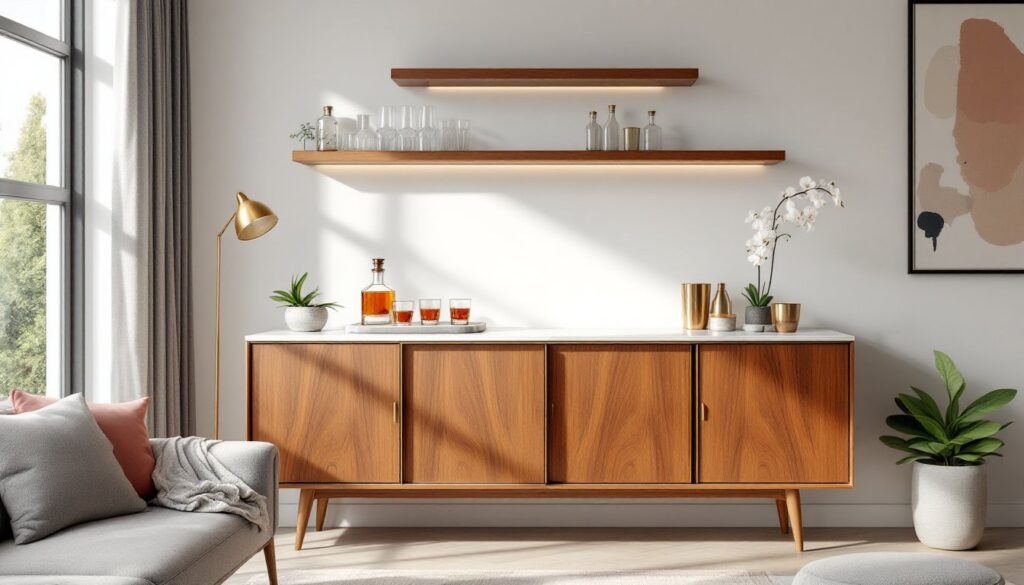
Floating shelves (mounted directly to studs using heavy-duty brackets rated for at least 50 pounds each) provide display space for books, records, or small decor without taking up floor space. Keep them intentional, curate what goes on display rather than cramming every shelf full.
If the room lacks a coat closet, add a hall tree or wall-mounted coat rack near the entry. Storage ottomans do double duty as extra seating and hidden compartments for throw blankets or board games.
For open shelving units, use storage bins or baskets in materials like canvas, leather, or wire mesh to corral loose items. Label them if multiple people share the space or if the bins hold specific gear (chargers, tools, etc.).
Avoid under-furniture clutter. Bed risers don’t belong in a living room, and stacks of boxes under the coffee table look unfinished. If storage is tight, consider a console table behind the sofa with drawers or lower shelving.
Personalize With Art and Decor
Blank walls and empty shelves make a living room feel temporary or unlived-in. Personalizing the space doesn’t mean filling every surface, it means choosing a few meaningful pieces that reflect individual interests.
Art is the easiest way to make a statement. Large-scale pieces (at least 24×36 inches for a standard living room wall) have more impact than small scattered prints. Hang art so the center is at eye level, roughly 57–60 inches from the floor. Use a stud finder and appropriate hardware, picture-hanging wire and D-rings for lighter frames, heavy-duty wall anchors or toggle bolts for anything over 20 pounds, especially on drywall.
Framing matters. Skip the cheap plastic frames, opt for wood or metal frames with real glass or acrylic. For posters or prints, mat boards add a finished, gallery-quality look.
Decor should feel curated, not random. A vintage camera collection, framed concert posters, sports memorabilia in shadow boxes, or a small indoor plant (like a snake plant or pothos, both low-maintenance) add personality without crossing into kitsch.
Lighting counts as decor, too. Swap builder-grade overhead fixtures for something with character, an industrial pendant, mid-century floor lamp, or a pair of table lamps with Edison bulbs. Aim for layered lighting with ambient, task, and accent sources rather than relying solely on harsh overhead lights.
Keep surfaces intentional. A tray on the coffee table corrals remotes and coasters. A single sculptural object or stack of hardcover books on the side table feels deliberate. Less is more, don’t clutter every horizontal surface.
Conclusion
Designing a bachelor living room isn’t about following a formula, it’s about making deliberate choices that balance comfort, function, and personal style. Start with a strong focal point, invest in quality furniture that holds up, and layer in texture and color to build depth. Smart storage keeps the space livable, and personalized decor makes it feel like home. The result is a room that works as hard as it looks good.