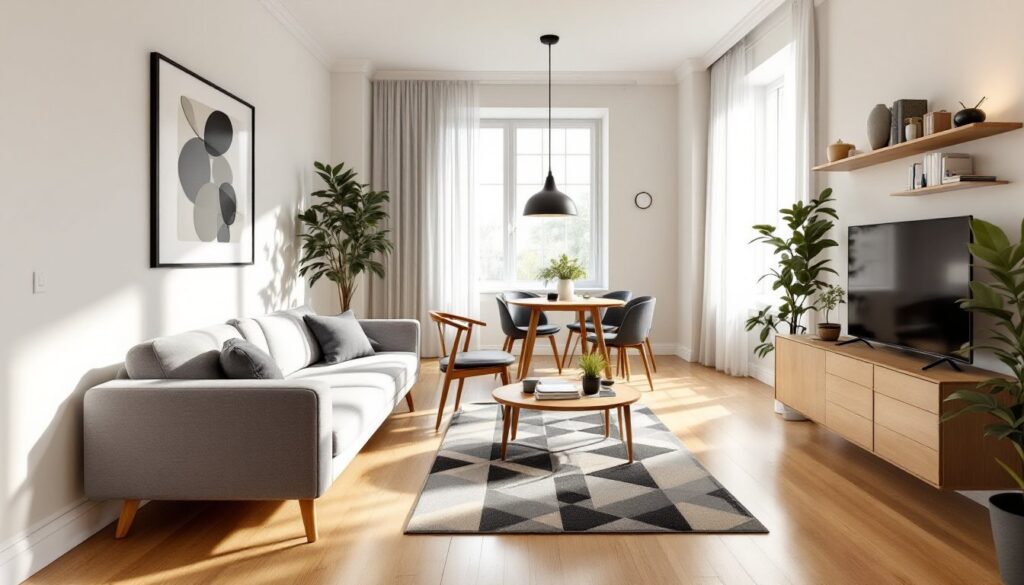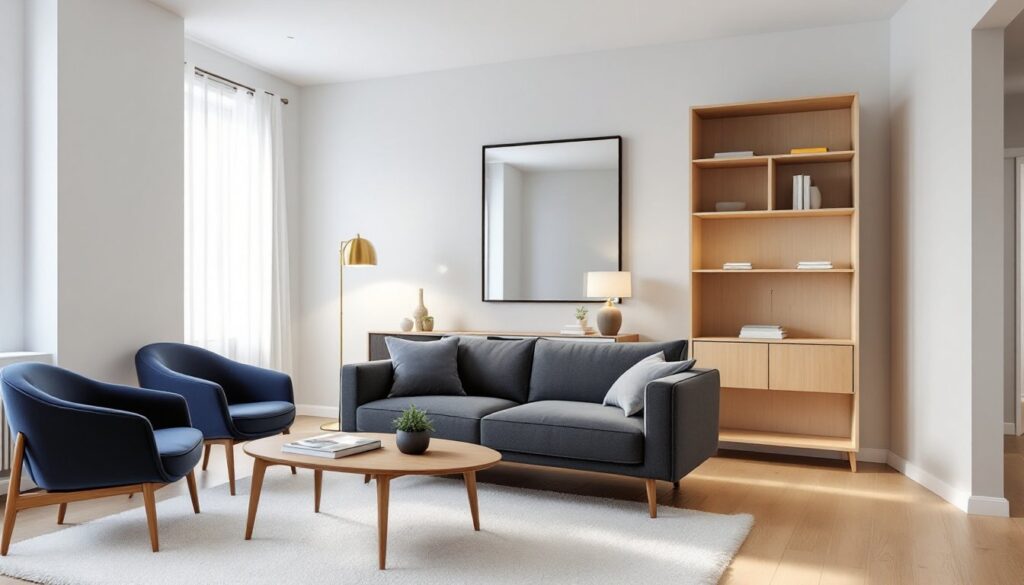

Small living rooms demand smarter layouts, not smaller ambitions. The difference between a cramped apartment and a functional, inviting space often comes down to furniture placement and zoning, not square footage. Most renters make the same mistake: pushing everything against the walls and calling it done. That approach wastes the center of the room and creates awkward traffic patterns. A well-planned layout maximizes usable space, defines purpose for each zone, and makes a 200-square-foot living room feel twice its size. This guide covers practical layout strategies that work in real apartments, from studio efficiency units to one-bedrooms with challenging floor plans.
Table of Contents
ToggleKey Takeaways
- Smart apartment living room layout ideas prioritize floating furniture 12–18 inches from walls to improve traffic flow and make spaces feel larger than pushing everything to the perimeter.
- Define functional zones by measuring your space, sketching a scale floor plan, and using cardstock cutouts to test furniture arrangements before delivery, preventing costly placement mistakes.
- Choose multi-functional furniture like ottoman storage benches, sofa beds, and nesting tables to maximize usable space in apartments under 300 square feet.
- For long and narrow living rooms, place the sofa perpendicular to the long walls about two-thirds down the room to break the tunnel effect and create distinct zones.
- Vary furniture heights, keep windows unblocked, choose pieces with exposed legs, and mount mirrors opposite windows to amplify light and create visual openness in small spaces.
- Edit ruthlessly by removing furniture that doesn’t serve a dual purpose or justify its footprint, ensuring every piece contributes to a functional, inviting living environment.
Assess Your Space and Define Zones
Before moving a single piece of furniture, measure the room. Use a 25-foot tape measure to record wall lengths, ceiling height, and any architectural features like radiators, windows, or columns. Note the location of electrical outlets and overhead lighting, these dictate where lamps and electronics can realistically go without running extension cords across walkways.
Sketch a basic floor plan on graph paper, using a scale of 1/4 inch equals 1 foot. Mark permanent fixtures: doorways (including swing direction), windows, vents, and baseboards that can’t be blocked. This prevents the common mistake of buying a sofa that blocks the only floor outlet or covers a heating vent.
Next, define functional zones based on how the space will be used. A typical apartment living room serves multiple purposes: seating for conversation or TV viewing, possibly a workspace, and sometimes dining. Assign each activity a rough footprint on the sketch. A conversation zone needs about 8 to 10 feet of space for seating arranged to face each other. A workspace requires at least 24 inches of depth for a desk and chair clearance behind it. A dining area needs 36 inches of clearance around the table for chairs to pull out.
Measure existing furniture, or pieces being considered, and cut scaled rectangles from cardstock to represent each item. Move these around on the floor plan to test arrangements without hauling a couch back and forth. This step saves backs and prevents the frustration of discovering a sectional won’t fit after it’s delivered.
Float Your Furniture for Better Flow
The instinct to shove furniture against walls comes from a misunderstanding of how space works. Floating furniture, pulling it away from walls, actually creates better traffic flow and makes rooms feel larger by defining distinct pathways.
Start with the sofa. Position it 12 to 18 inches away from the wall, anchored by a rug that extends at least 6 inches beyond the furniture on all sides. This creates a visual boundary for the seating zone and leaves a clear walking path along the perimeter. In narrow apartments, this perimeter path becomes critical: keeping it open prevents the pinched feeling that comes from sidestepping around furniture.
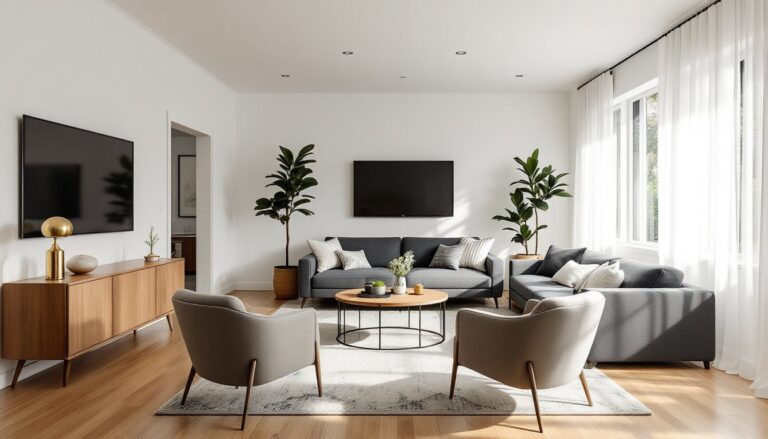
Arrange seating in a U-shape or L-shape around a central coffee table, leaving 14 to 18 inches between the table edge and seating, enough room to walk through without banging shins, but close enough to reach a drink. If the room includes a TV, the sofa can float parallel to the screen wall, with the back of the sofa facing the wall. Add a narrow console table (10 to 12 inches deep) behind the sofa for lamps, storage, or decor. This trick uses dead space productively and adds a layer of visual interest.
For apartments with multiple entry points or open-plan layouts, floating a sofa perpendicular to the main wall acts as a room divider without blocking sightlines. Pair it with a bookshelf or low credenza on the backside to separate the living zone from a dining area or entryway. This approach works especially well in studio apartments where one space must serve several functions.
Multi-Functional Furniture Solutions
Apartment living demands furniture that earns its footprint. Every piece should serve at least two purposes, especially in spaces under 300 square feet.
Ottoman storage benches replace traditional coffee tables and provide hidden storage for throws, remotes, or out-of-season items. Look for models with removable tops that double as serving trays. A 36-inch square ottoman fits most small living rooms and can be pushed against a wall to serve as extra seating during gatherings.
Sofa beds or sleeper sectionals eliminate the need for a separate guest room. Modern mechanisms have improved significantly: avoid bargain futons with thin mattresses and look for memory foam or innerspring mattresses at least 5 inches thick. Test the fold-out mechanism in-store, it should operate smoothly without requiring two people.
Nesting tables (a set of two or three tables in graduated sizes) stack together when not in use, taking up the footprint of one table. Pull them apart when hosting to provide surface area for drinks and snacks, then tuck them back together for daily living. This flexibility beats a large, fixed coffee table in tight quarters.
Wall-mounted drop-leaf tables work as dining surfaces, desks, or console tables depending on need. Mount one at 29 to 30 inches from the floor (standard table height) on a wall adjacent to the living area. When folded down, it projects only 2 to 4 inches: when open, it seats two to four people. Pair it with folding chairs stored in a closet or hung on wall hooks.
Bookshelf room dividers serve triple duty: storage, display, and spatial separation. Choose an open-back unit so it doesn’t create a visual dead end. A 5-shelf unit, roughly 72 inches tall, defines zones without requiring permanent installation, a critical consideration for renters who can’t build walls.
Layout Ideas for Different Apartment Shapes
Not all living rooms are created equal. Floor plan quirks demand tailored solutions.
Long and Narrow Living Rooms
Rooms that measure 10 feet wide by 18 to 20 feet long feel like bowling alleys if furniture lines up single-file. Break the tunnel effect by creating two distinct zones along the length of the room.
Place a sofa perpendicular to the long walls, about two-thirds of the way down the room. This divides the space into a primary seating area near the TV or windows and a secondary zone behind the sofa. Use the secondary zone for a workspace with a small desk and chair, a reading nook with an accent chair and floor lamp, or a dining area with a compact round table.
Choose a sofa no longer than 72 to 78 inches to avoid overwhelming the width of the room. Pair it with a loveseat or two armchairs arranged in an L-shape rather than facing directly across, which would block the walkway. Keep the coffee table small, a 30-inch round or 36-inch oval works better than a large rectangular table that eats floor space.
Mount the TV on the short wall at one end or use a low media console (under 18 inches tall) that doesn’t block sightlines. Avoid tall entertainment centers in narrow rooms: they make the space feel even more constricted.
Small Square Spaces
Square living rooms, typically 12 by 12 feet or 14 by 14 feet, offer better flexibility but can feel boxy if everything is centered and symmetrical.
Anchor the layout with a rug that’s 8 by 10 feet or 9 by 12 feet, depending on room size. Position the sofa along one wall, angled slightly toward the center if the room allows, and place two chairs opposite or perpendicular. This creates a conversational grouping without cutting the room in half.
In very small square rooms (under 150 square feet), skip the traditional sofa and use a loveseat or apartment-sized sofa (60 to 72 inches long) paired with one accent chair and a couple of poufs or floor cushions for flexible seating. This keeps the center of the room open and prevents overcrowding.
If the room includes a corner fireplace or angled wall, embrace it. Angle the sofa to face the feature and float it away from the walls. This diagonal placement adds visual interest and often improves traffic flow by opening up corner pathways that otherwise go unused.
Create Visual Space with Strategic Placement
Physical layout is only half the equation. How furniture and decor interact with sightlines determines whether a room feels open or cluttered.
Keep furniture heights varied. A room filled with pieces all sitting at the same 30-inch height looks flat and monotonous. Pair a low-profile sofa (seat height around 17 to 18 inches) with a taller bookshelf, a floor lamp, and a wingback chair to create visual rhythm. This variation draws the eye vertically and makes the ceiling feel higher.
Avoid blocking windows. Even in tight quarters, keep window sills clear or use only low furniture (under 24 inches tall) in front of them. Natural light makes small rooms feel exponentially larger, and heavy drapes or tall furniture in front of windows kills that advantage. Use sheer curtains or cellular shades that mount inside the window frame to maximize light.
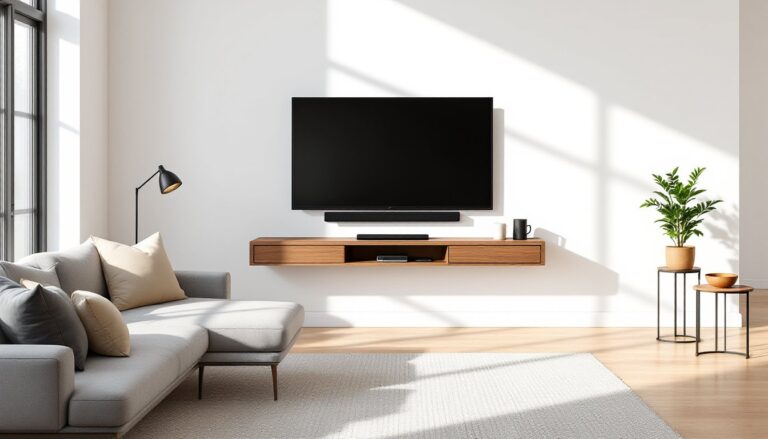
Choose furniture with exposed legs rather than skirted pieces that sit flush to the floor. Sofas, chairs, and tables elevated on legs, even just 4 to 6 inches, allow light to pass underneath, creating a sense of airiness. Skirted furniture and solid-front cabinets make rooms feel heavier and more crowded.
Mirrors and reflective surfaces amplify space and light. Mount a large mirror (at least 30 by 40 inches) on the wall opposite or adjacent to a window to bounce daylight deeper into the room. Alternatively, use a mirrored console or glass-top coffee table to keep sightlines open. Avoid cluttering these reflective surfaces: their benefit comes from what they reflect, not what sits on them.
Finally, edit ruthlessly. Every object in a small living room should justify its presence. If a side table holds nothing but dust, remove it. If a decorative chair never gets sat in and just collects laundry, swap it for a storage ottoman. Functional minimalism isn’t about deprivation, it’s about making every square foot count.