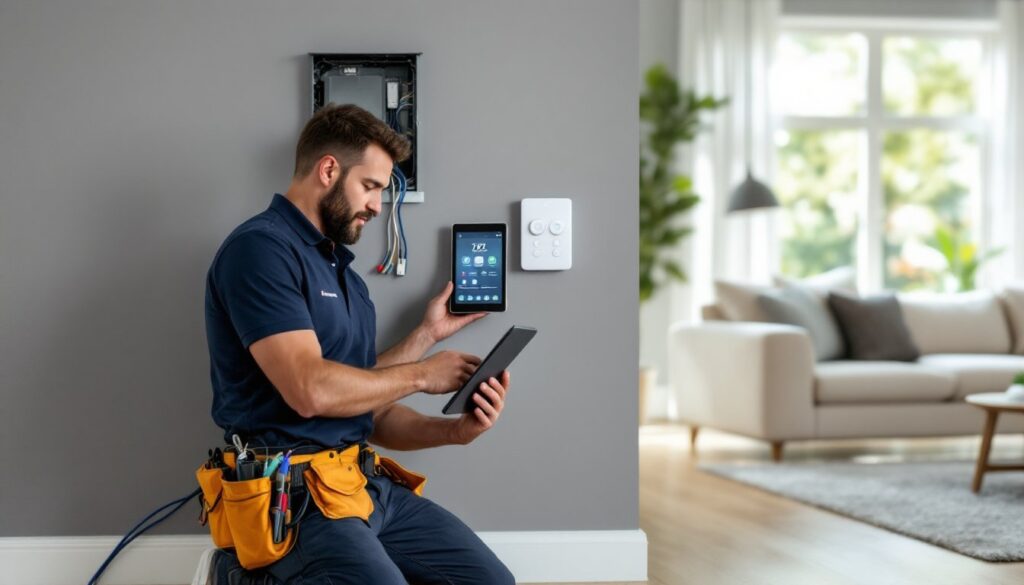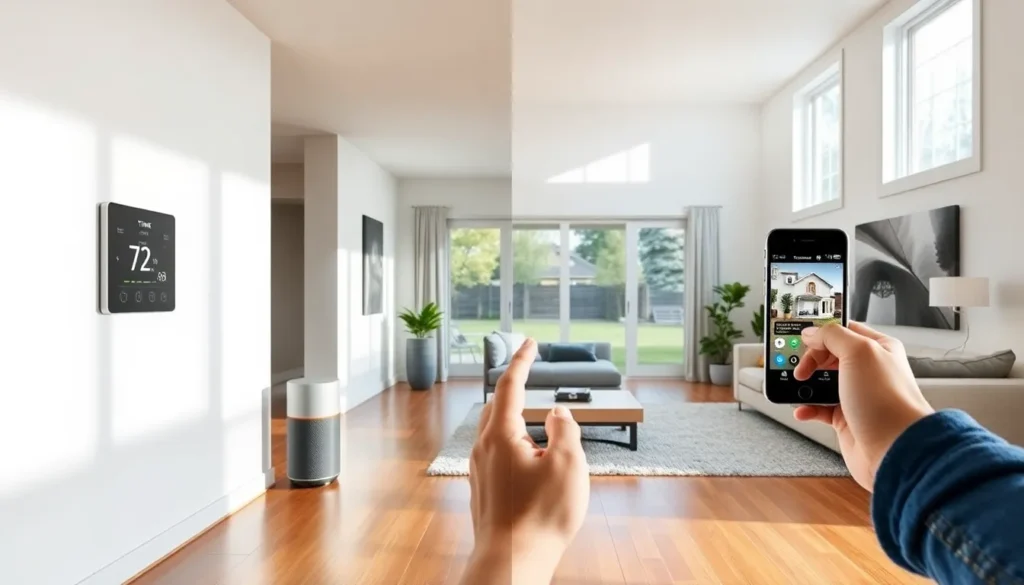

Home automation vs smart home, these terms get tossed around like they mean the same thing. They don’t. While both involve technology that controls household devices, the way they work and what they offer differs significantly. Home automation focuses on scheduled, rule-based control of appliances and systems. Smart homes take this further by adding connectivity, learning capabilities, and remote access. Understanding these differences helps homeowners make informed decisions about which technology fits their lifestyle and budget. This guide breaks down each concept, highlights their core distinctions, and offers practical advice for choosing the right system.
Table of Contents
ToggleKey Takeaways
- Home automation relies on pre-set schedules and triggers, while smart homes add connectivity, learning capabilities, and remote access.
- Smart home devices communicate with each other and adapt to your behavior, eliminating the need for constant manual programming.
- Home automation typically costs less upfront but smart homes often deliver better long-term energy savings through intelligent optimization.
- Choose home automation if you prioritize simplicity, privacy, and reliability without internet dependency.
- Before buying smart devices, check compatibility with common protocols like Matter, Zigbee, or Z-Wave to ensure seamless integration.
- Start with basic home automation and gradually upgrade to smart features to spread costs and learn the technology over time.
What Is Home Automation?
Home automation refers to the automatic control of household devices and systems. It operates through pre-set rules, schedules, and triggers. A homeowner programs specific actions, and the system executes them without further input.
For example, a home automation setup might turn on porch lights at sunset every day. Or it could adjust the thermostat to 68°F at 7 AM each morning. The system follows these instructions consistently.
Home automation has existed for decades. Early versions included programmable thermostats and timer-controlled sprinkler systems. These devices operated independently, they couldn’t communicate with each other or adapt to changing conditions.
Key characteristics of home automation include:
- Scheduled operations: Devices activate based on time settings
- Trigger-based responses: Sensors can initiate actions (motion sensors turning on lights)
- Local control: Most systems work within the home without internet connectivity
- Fixed programming: The system does exactly what it’s told, nothing more
Home automation excels at repetitive tasks. It reduces manual effort and ensures consistency. But, it lacks flexibility. If a homeowner’s schedule changes, they must manually update the programming. The system can’t adapt on its own.
What Is a Smart Home?
A smart home connects devices through the internet and allows them to communicate with each other. This connectivity enables remote control, voice commands, and machine learning capabilities that adapt to user behavior.
Smart home technology goes beyond simple automation. It learns patterns, anticipates needs, and adjusts settings accordingly. A smart thermostat, for instance, tracks when residents leave for work and returns. Over time, it creates an optimized heating and cooling schedule without manual programming.
The backbone of a smart home is connectivity. Devices link through Wi-Fi, Bluetooth, Zigbee, or Z-Wave protocols. A central hub or app brings everything together, giving homeowners control from anywhere with internet access.
Smart home features include:
- Remote access: Control devices from a smartphone anywhere in the world
- Voice control: Integration with assistants like Alexa, Google Assistant, or Siri
- Device communication: Products share data and trigger coordinated responses
- Learning algorithms: Systems improve efficiency based on usage patterns
- Real-time alerts: Notifications about security events, energy usage, or device status
Popular smart home devices include video doorbells, smart speakers, connected locks, and intelligent lighting systems. These products work together to create an integrated ecosystem. When someone rings the doorbell, the smart speaker announces it, the TV displays the camera feed, and the porch light turns on, all automatically.
Core Differences Between Home Automation and Smart Homes
The home automation vs smart home debate comes down to intelligence and connectivity. Both control household devices, but they approach the task differently.
Intelligence Level
Home automation follows explicit instructions. It does what homeowners program and nothing else. Smart homes learn and adapt. They analyze behavior patterns and make independent adjustments to improve comfort and efficiency.
Connectivity
Traditional home automation systems often work locally without internet. Smart homes require connectivity for their core features. This connectivity enables remote access but also introduces potential security concerns and reliance on internet service.
Flexibility
Home automation offers consistency. The same actions happen at the same times regardless of circumstances. Smart homes provide flexibility. They respond to real-time conditions, user location, and changing preferences.
Cost Considerations
Basic home automation tends to cost less upfront. Programmable timers and simple sensors remain affordable. Smart home devices carry higher price tags, and many require monthly subscriptions for full functionality. But, smart technology often delivers better long-term energy savings.
User Interaction
Home automation requires periodic programming updates. Users must anticipate their needs and set rules accordingly. Smart homes reduce this burden through learning capabilities and intuitive interfaces. Voice control and smartphone apps make daily interaction simpler.
| Feature | Home Automation | Smart Home |
|---|---|---|
| Control Method | Schedules and triggers | Remote, voice, and adaptive |
| Learning Ability | None | Machine learning enabled |
| Internet Required | Usually no | Yes |
| Device Communication | Limited | Extensive |
| Initial Cost | Lower | Higher |
Choosing the Right System for Your Needs
The best choice between home automation vs smart home technology depends on individual priorities, technical comfort, and budget.
Choose home automation if:
- A simple, reliable system appeals more than advanced features
- Internet outages are frequent in the area
- Privacy concerns make always-connected devices unappealing
- Budget constraints limit spending on technology
- Basic scheduling meets household needs
Choose a smart home setup if:
- Remote access and monitoring matter for security or convenience
- Voice control would improve daily routines
- Energy efficiency and learning optimization are priorities
- Multiple family members need different access levels
- Integration across many devices and platforms is desired
Many homeowners start with home automation basics and gradually add smart features. A programmable thermostat might become a smart thermostat. Timer-controlled lights might upgrade to app-controlled bulbs. This incremental approach spreads costs and allows users to learn the technology gradually.
Compatibility deserves attention before purchasing. Not all smart devices work together. Checking whether products support common protocols like Matter, Zigbee, or Z-Wave prevents frustration later. Reading reviews about reliability and app quality also helps avoid disappointing purchases.
Security matters too. Smart home devices create potential entry points for hackers. Strong passwords, regular firmware updates, and reputable brands reduce these risks. For those uncomfortable with connected devices, traditional home automation offers similar convenience without the cybersecurity concerns.