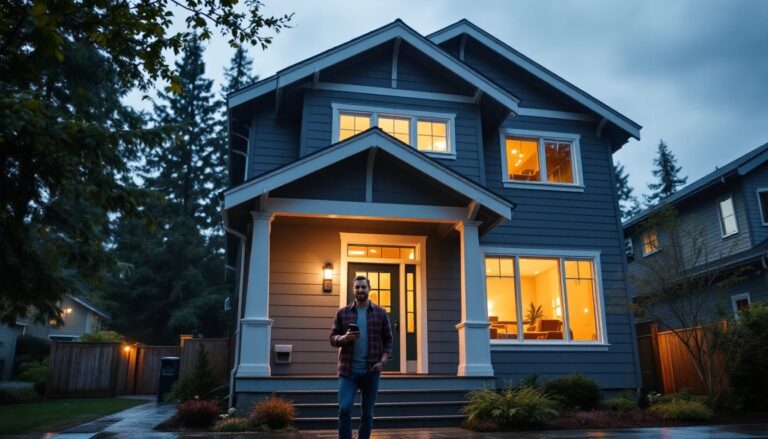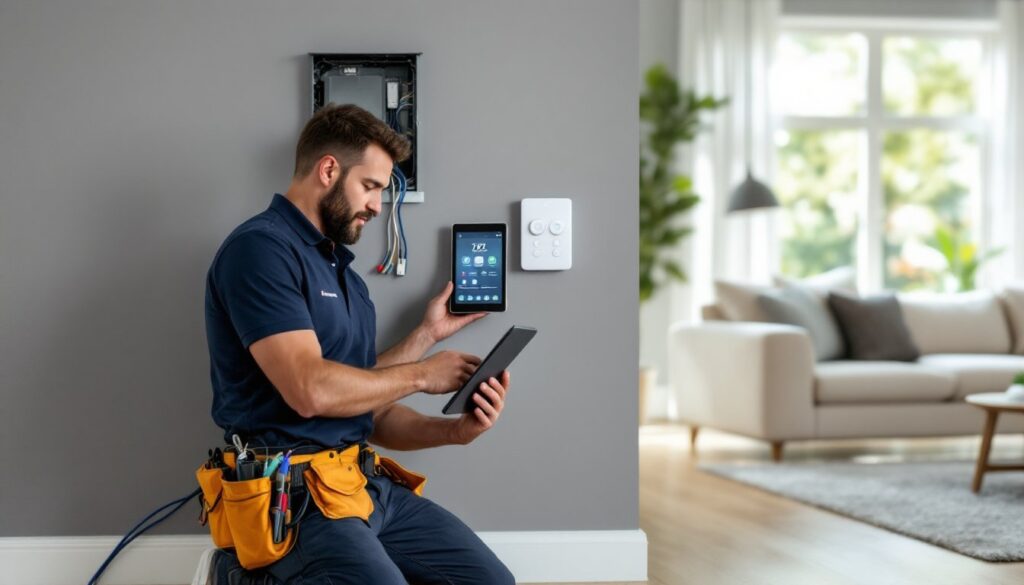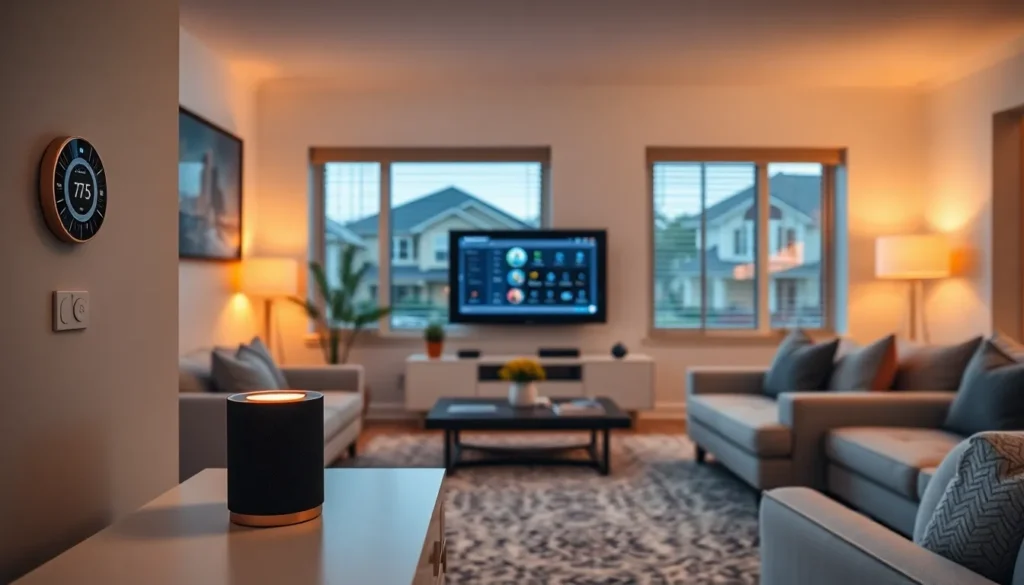

Home automation examples range from voice-controlled lighting to smart thermostats that learn daily routines. These technologies transform ordinary homes into efficient, connected spaces. Homeowners can now control security cameras, adjust room temperatures, and manage entertainment systems from a single app or voice command. The options have grown significantly in recent years. Smart devices have become more affordable and easier to install. This guide covers practical home automation examples that make everyday life more convenient, secure, and energy-efficient.
Table of Contents
ToggleKey Takeaways
- Home automation examples include smart lighting, thermostats, security systems, and voice-controlled appliances that make daily life more convenient and efficient.
- Smart thermostats can save homeowners about 10% annually on heating and cooling costs by learning household patterns and adjusting temperatures automatically.
- Security-focused home automation examples like smart locks, video doorbells, and sensors provide real-time monitoring and control from anywhere via smartphone.
- Voice assistants from Amazon, Google, and Apple serve as command centers, allowing users to control multiple smart devices with simple spoken commands.
- Routines and automations let homeowners trigger multiple actions at once—like locking doors, turning off lights, and arming security—with a single tap or voice command.
- The new Matter standard improves device compatibility across brands, making home automation more accessible for everyone.
Lighting and Climate Control
Smart lighting represents one of the most popular home automation examples. Homeowners can install smart bulbs, switches, or complete lighting systems that respond to schedules, motion, or voice commands. Philips Hue, LIFX, and Wyze offer affordable options that work with most smart home platforms.
These systems do more than turn lights on and off. Users can adjust brightness levels, change colors, and create custom scenes for different activities. A “movie night” scene might dim the living room lights to 20% while a “morning routine” scene gradually brightens bedroom lights at 6:30 AM.
Climate control automation delivers real comfort and savings. Smart thermostats like the Nest Learning Thermostat, Ecobee, and Honeywell Home learn household patterns over time. They adjust temperatures based on occupancy, weather forecasts, and user preferences. The U.S. Department of Energy estimates that programmable thermostats can save homeowners about 10% annually on heating and cooling costs.
Smart vents take climate control further. These devices open and close automatically to direct airflow where it’s needed most. Pairing smart vents with a smart thermostat creates zone-based heating and cooling without expensive HVAC modifications.
Automated blinds and shades add another layer of control. They can lower during peak sun hours to reduce cooling costs, then raise in the evening to let in natural light. Products from Lutron and IKEA integrate smoothly with existing smart home setups.
Security and Surveillance Systems
Security-focused home automation examples give homeowners peace of mind and real protection. Smart locks eliminate the need for physical keys. Brands like August, Schlage, and Yale offer locks that open via smartphone, keypad, or fingerprint. Homeowners can grant temporary access codes to guests, dog walkers, or repair technicians, then revoke access instantly.
Video doorbells have become essential home automation examples. Ring, Google Nest, and Eufy doorbells show live video feeds of visitors. Motion detection alerts notify homeowners when someone approaches the door, even if they don’t ring the bell. Two-way audio lets users communicate with delivery drivers or unexpected visitors from anywhere.
Indoor and outdoor cameras provide 24/7 monitoring. Modern smart cameras offer features like person detection, package alerts, and facial recognition. Cloud storage options keep footage accessible for weeks or months. Local storage alternatives appeal to privacy-conscious users who prefer keeping data off external servers.
Smart sensors expand security coverage throughout the home. Door and window sensors detect unauthorized entry. Water leak sensors catch plumbing problems before they cause major damage. Smoke and carbon monoxide detectors send smartphone alerts, even when homeowners are away.
These home automation examples work best as integrated systems. A single app can arm the security system, lock all doors, turn off lights, and activate cameras, all with one tap or voice command.
Smart Appliances and Entertainment
Kitchen appliances have embraced smart technology. Smart refrigerators from Samsung and LG feature interior cameras, touchscreen displays, and inventory tracking. Some models suggest recipes based on available ingredients. Smart ovens preheat remotely and send notifications when food reaches the target temperature.
Smart coffee makers brew a fresh pot at a scheduled time each morning. Robot vacuums like the iRobot Roomba and Roborock clean floors on set schedules or respond to voice commands. Smart washing machines notify users when cycles complete and can even order detergent automatically.
These home automation examples save time on routine tasks. A homeowner can start the dishwasher from the office, check if the oven is off while on vacation, or schedule the robot vacuum to clean while everyone is at work.
Entertainment systems benefit significantly from automation. Smart TVs connect to streaming services and respond to voice commands. Streaming devices like Roku, Apple TV, and Amazon Fire TV integrate with broader smart home ecosystems.
Multi-room audio systems from Sonos, Bose, and Amazon create whole-home sound experiences. Users can play the same music throughout the house or different tracks in each room. Voice commands make it easy to skip songs, adjust volume, or switch playlists without reaching for a remote.
Smart projectors and motorized screens turn living rooms into home theaters with minimal effort. Automated systems can dim lights, lower screens, and start content, all triggered by a single command.
Voice Assistants and Centralized Control
Voice assistants serve as the command center for most home automation examples. Amazon Alexa, Google Assistant, and Apple Siri control compatible devices through simple spoken commands. “Turn off the kitchen lights” or “set the thermostat to 72 degrees” eliminates the need to open apps or press buttons.
Each platform has strengths. Alexa supports the widest range of third-party devices. Google Assistant excels at answering questions and handling complex requests. Siri integrates tightly with Apple devices and prioritizes privacy.
Smart speakers and displays bring voice assistants into every room. The Amazon Echo, Google Nest Hub, and Apple HomePod provide hands-free control throughout the home. Display-equipped models show video doorbell feeds, security camera footage, and recipe instructions.
Centralized control apps unify different home automation examples into single dashboards. The Apple Home app, Google Home app, and Amazon Alexa app let users manage all compatible devices in one place. Third-party platforms like Home Assistant and Hubitat offer advanced customization for tech-savvy users.
Routines and automations add real intelligence to smart homes. Users can create sequences that trigger multiple actions simultaneously. A “goodnight” routine might lock doors, arm the security system, turn off all lights, and lower the thermostat. A “welcome home” routine could unlock the front door, turn on lights, and start playing music, all triggered by a smartphone’s location.
Matter, a new smart home standard, promises better compatibility across brands. Devices certified for Matter will work with Alexa, Google, Apple, and other platforms without compatibility concerns. This standard makes home automation examples more accessible to everyone.