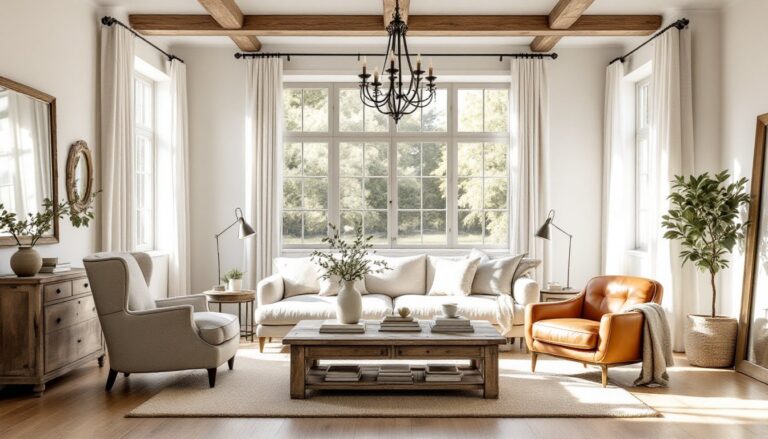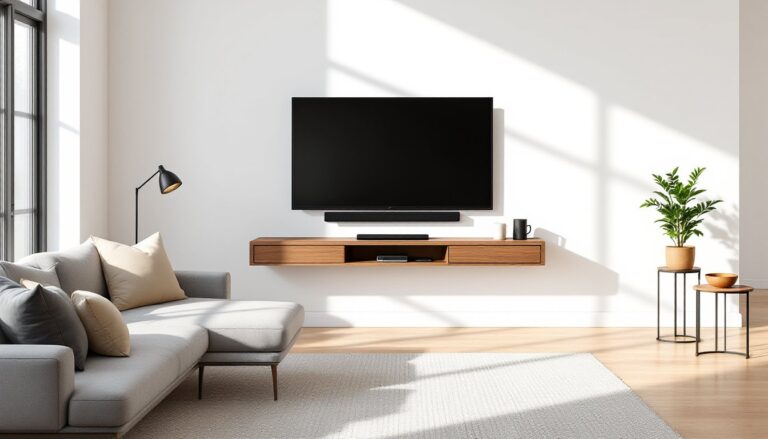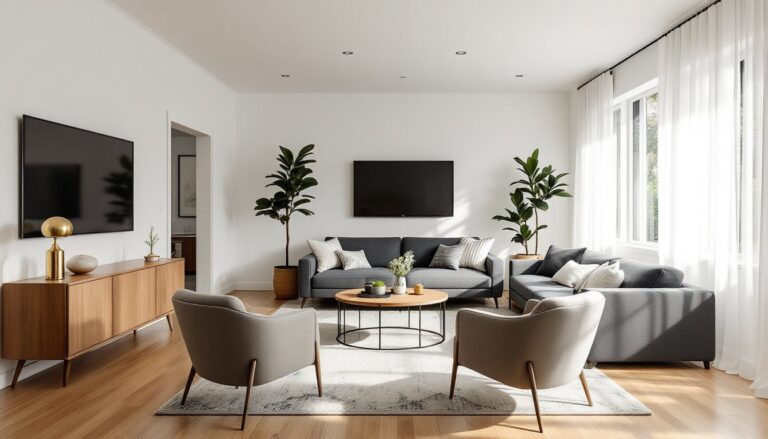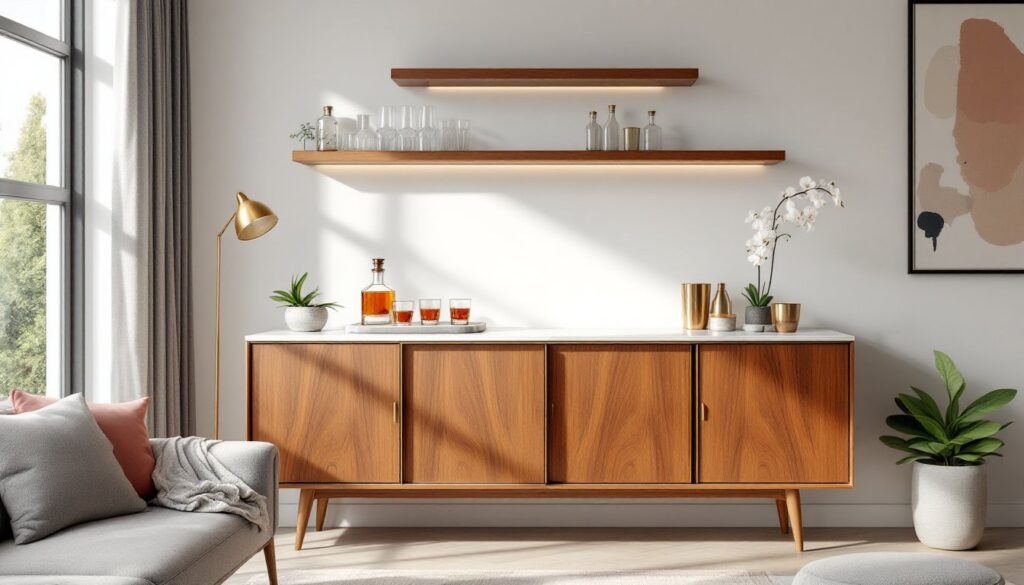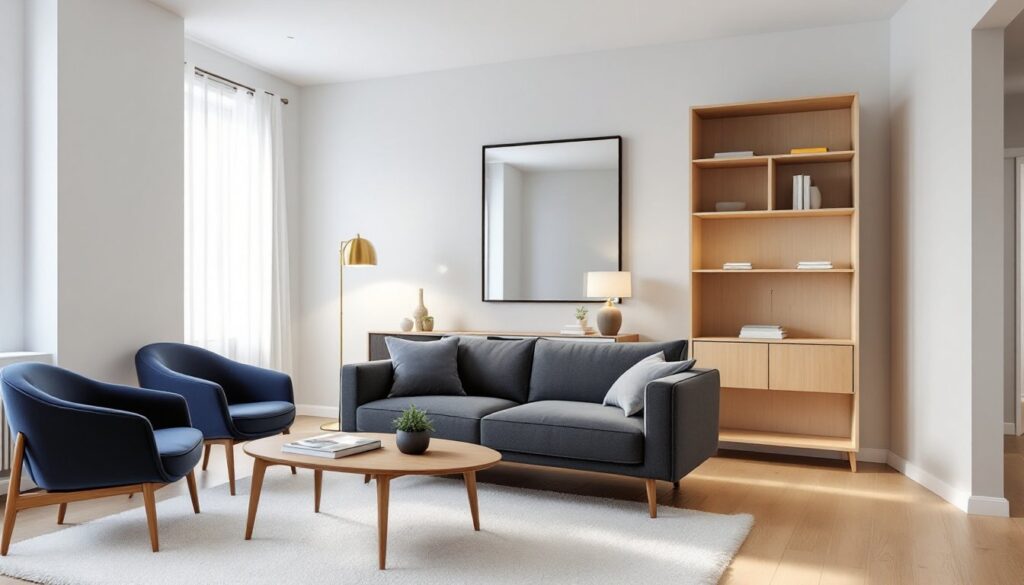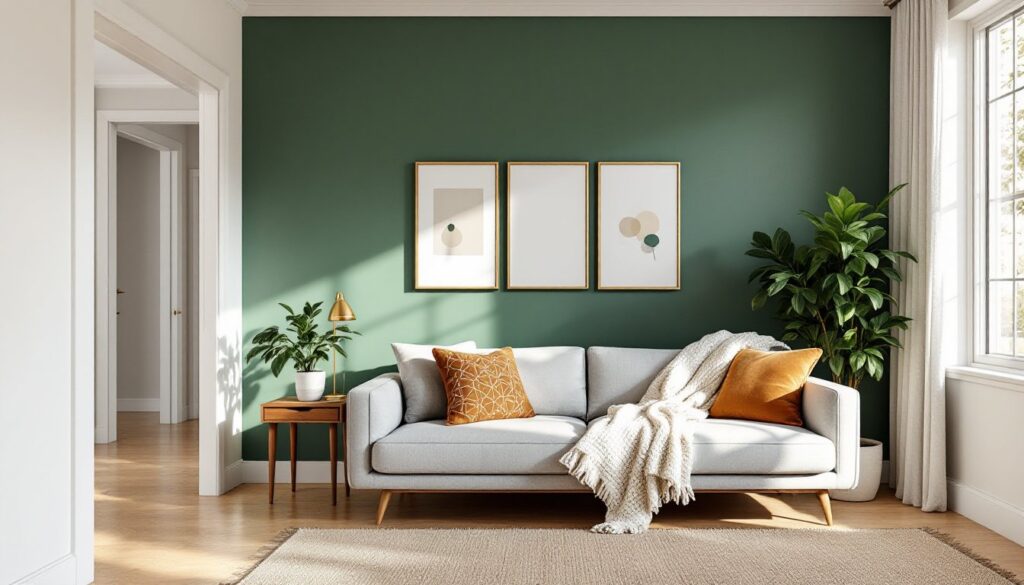

An accent wall changes the entire feel of a living room without the cost or commitment of repainting every surface. It’s one of the most accessible DIY upgrades a homeowner can tackle in a weekend, no structural work, no permits, just primer, paint, and a good roller. The trick is choosing the right wall, the right color, and the right technique to match the space. This guide covers proven accent wall paint ideas that work in real living rooms, from bold jewel tones to creative finishes that go beyond a single coat of flat color.
Table of Contents
ToggleKey Takeaways
- Accent wall paint ideas offer a budget-friendly, weekend-friendly way to transform a living room’s aesthetic without repainting the entire space or requiring structural work.
- Bold jewel tones like emerald green, sapphire blue, and charcoal dominate 2026 trends, while terracotta and muted sage provide warmth and versatility for rooms seeking impact without intensity.
- The most effective accent walls highlight natural focal points like the wall behind a sofa, fireplace walls, or the wall opposite the main entry—avoiding walls with excessive interruptions like windows and doors.
- Creative techniques such as ombré gradients, horizontal or vertical stripes, color blocking, and stenciling add texture and visual complexity beyond a single solid coat of paint.
- Proper prep work including primer (especially for dark colors), high-quality paint, and testing samples in different lighting conditions ensures professional results and prevents future regret.
- An accent wall can solve design problems in awkward spaces, such as making narrow rooms appear more proportional or defining zones in open-concept layouts.
Why an Accent Wall Works Wonders in Living Rooms
Accent walls create visual interest without overwhelming a room. In open-concept homes, they help define zones, marking where the living area starts without adding physical dividers. They also draw attention to architectural features like fireplaces, built-in shelving, or large windows.
From a practical standpoint, painting one wall uses less material and takes less time than a full room repaint. A gallon of quality paint typically covers 350–400 square feet with one coat, so most accent walls need just a gallon or two depending on the color and existing wall tone. Darker colors or dramatic shifts often require a tinted primer and two finish coats for even coverage.
Accent walls also give homeowners a low-risk way to test bolder colors. If the deep green or burnt orange doesn’t work as expected, repainting one wall is far easier than redoing an entire room. It’s a chance to experiment without committing to a full-scale color scheme overhaul.
Finally, accent walls can solve design problems. A long, narrow living room benefits from a dark accent wall on the short end, visually pulling that wall forward and balancing proportions. Rooms with awkward architectural quirks, off-center windows, odd alcoves, can redirect focus to a feature wall instead.
Best Colors for Living Room Accent Walls
Bold and Dramatic: Deep Jewel Tones and Moody Hues
Emerald green, sapphire blue, and charcoal gray dominate 2026 trends for homeowners who want a statement wall with depth. These colors work best in rooms with ample natural light: in dim spaces, they can make the room feel smaller rather than cozier.
Emerald pairs well with brass or gold hardware and natural wood tones. It’s rich without reading as overly formal, making it a good fit for living rooms that mix modern and traditional elements. Sapphire and navy create a similar effect but skew cooler, pair them with white trim and lighter neutrals on adjacent walls to keep contrast sharp.
Charcoal and near-black shades (like Sherwin-Williams Tricorn Black or Benjamin Moore Onyx) offer high drama, especially behind media centers or gallery walls. These shades need careful prep: any imperfection in drywall shows up under dark, matte paint. Fill nail holes, sand smooth, and use a high-quality primer. Matte and eggshell finishes absorb light and add texture, while satin reflects just enough to keep the wall from feeling flat.
Deep burgundy and plum are underused but effective, especially in rooms with warm wood floors or leather furniture. They bring warmth without the expected red or orange undertones.
Warm and Inviting: Earthy Neutrals and Terracotta Shades
For homeowners who want impact without intensity, terracotta, warm taupe, clay, and muted sage deliver. These colors ground a room and work across a range of design styles, from mid-century modern to farmhouse.
Terracotta has seen a major resurgence. It’s warm but not overly bold, and it complements natural fibers like jute, linen, and rattan. In living rooms with a lot of white or light gray, a terracotta accent wall adds just enough color to feel intentional without competing with furniture or art.
Warm taupe and greige (gray-beige hybrids) are safer bets for resale but still add dimension. They provide a backdrop that lets accent furniture and textiles stand out. These shades also photograph well, which matters for homeowners planning to list their property.
Muted sage and soft olive bring in color while staying neutral enough to live with long-term. They pair well with both cool and warm tones, making them versatile for rooms that get redecorated seasonally.
Creative Paint Techniques Beyond Solid Color
A single bold color works, but layered techniques add texture and visual complexity that flat paint can’t match.
Ombré or gradient walls transition from dark at the bottom to light at the top (or vice versa). This technique requires blending wet paint with a large brush or sponge roller, working in horizontal bands and feathering the edges where colors meet. It’s time-sensitive, latex paint dries fast, so having a helper speeds up the process and improves the blend.
Horizontal or vertical stripes create rhythm and can alter a room’s perceived dimensions. Horizontal stripes make a wall feel wider: vertical stripes add height. Use painter’s tape rated for delicate surfaces (like FrogTape Delicate Surface) and remove it while the final coat is still slightly tacky to avoid peeling. Measure and mark stripes with a laser level for clean lines, eyeballing it leads to wavy results.
Color blocking divides the wall into geometric sections with different colors. This works well behind sectional sofas or in rooms with high ceilings, where a two-tone split (dark bottom, light top) adds interest without cutting the space visually. Use a chalk line or laser level to mark borders, and paint the lighter color first. Once dry, tape off sections and apply the darker shade.
Stenciling and murals bring pattern without wallpaper. Large-scale stencils (geometric, botanical, or abstract patterns) can be rolled or daubed over a base coat. For murals, a projector can trace an image onto the wall, which is then painted by hand. This isn’t a quick afternoon project, but it delivers a truly custom result.
Textured paint finishes, like suede, linen, or Venetian plaster effects, add depth through technique rather than color. These require specific application tools (trowels, texture rollers, or sponges) and often a topcoat or glaze. They’re more involved than standard rolling but can mimic high-end finishes at a fraction of the cost.
Which Wall Should You Paint? Choosing the Perfect Focal Point
Not every wall makes a good accent wall. The goal is to highlight something worth noticing, not randomly paint the first surface near the door.
The wall behind the sofa is the most common choice in living rooms. It’s the natural focal point when entering the space and provides a backdrop for furniture and decor. If the sofa sits against a short wall in a rectangular room, painting that wall can visually balance proportions.
Fireplace walls are another strong candidate, especially if the fireplace itself is a feature. Painting the chimney breast (the section that projects out) in a bold color emphasizes the architecture. If the fireplace is flanked by built-ins or shelving, the accent color unifies the entire feature wall.
The wall opposite the main entry draws the eye forward and creates a sense of destination. In open-concept layouts, this helps anchor the living zone and prevents the space from feeling like a hallway.
Avoid accent walls with too many interruptions, windows, doors, outlets, and vents break up the visual plane and dilute impact. A wall with a large window can work if the window is centered and treated as part of the design (dark paint around a white-trimmed window creates a frame effect). But a wall with three small windows, two doors, and a thermostat rarely looks intentional.
In rooms with architectural features like exposed beams, shiplap, or board-and-batten, the accent wall should complement rather than compete. Painting the flat drywall and leaving wood natural often works better than trying to cover everything.
Finally, consider lighting. An accent wall in a dim corner needs either lighter paint or added lighting (sconces, picture lights, or uplighting) to show the color properly. Natural light changes paint appearance throughout the day, so test samples in different conditions before committing.
Conclusion
An accent wall is one of the most effective ways to refresh a living room without major renovation. Whether it’s a single bold color, a gradient blend, or a geometric pattern, the key is choosing a wall that enhances the room’s layout and a color that works with existing finishes. Prep the surface properly, use quality paint and tools, and don’t skip the primer, especially when going dark or making a dramatic color shift. The result is a space that feels intentional, pulled together, and entirely custom.